
Why go beyond 100 meters?
As networks scale to support IoT and smart building technologies, the 100-meter standard is increasingly no longer enough. Outdoor cameras, access points, and connected devices frequently require links that go well beyond this limit. Leviton extended distance systems deliver structured cabling and hybrid solutions that keep your data center network performing without expensive redesigns.
Leviton offers a complete portfolio of extended distance solutions for networks that need to reach farther. Each system is purpose-built for specific performance requirements, giving designers the flexibility to address real-world challenges without compromise.
Extended Distance Solutions
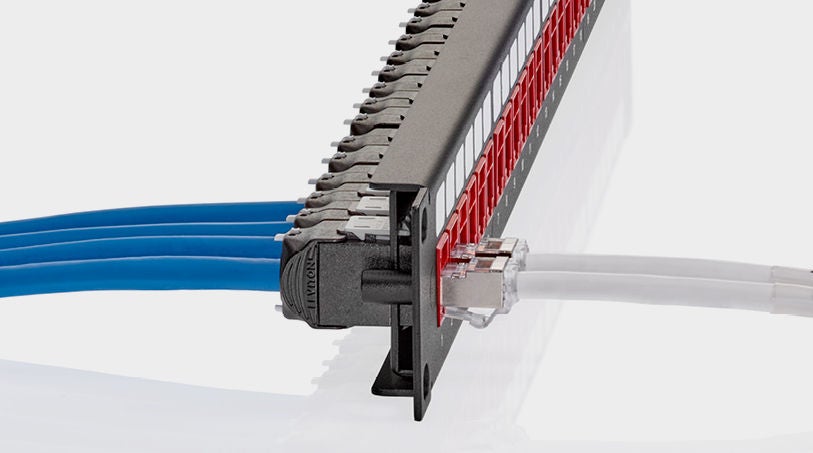
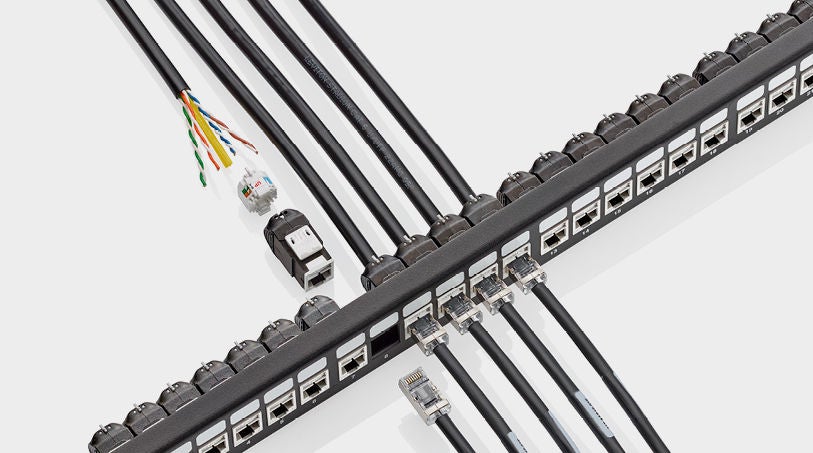
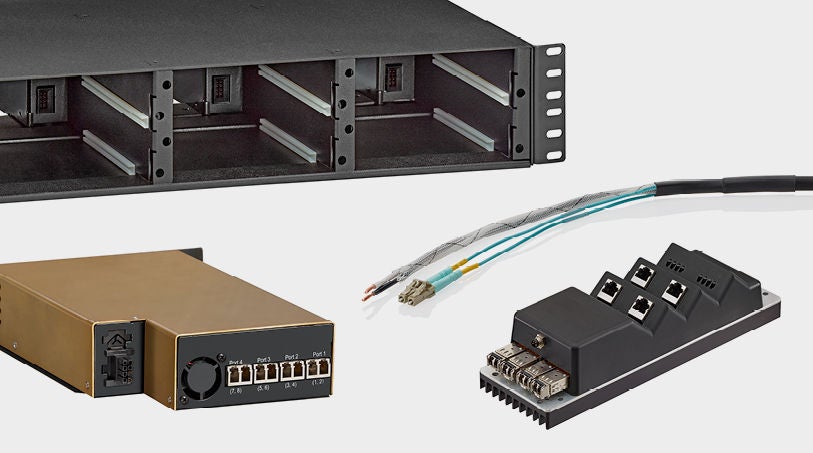

Beyond Bandwidth Explores Extended Distance Over Copper
In season three of this podcast, we speak with some of the industry’s top thought leaders to investigate how extended distance applications actually work over copper – and show you how to go beyond the 100 m channel limit with exceptional performance.


Frequently Asked Questions
Extended distance Ethernet refers to solutions designed to deliver reliable data, and in many cases power, beyond the standard 100‑meter limit for category cabling. These solutions address situations where traditional structured cabling no longer meets the needs of modern networks with distributed or remote devices.
As networks grow, devices such as cameras, wireless access points, and smart building systems are often installed farther from telecom rooms than before. In large buildings, campuses, and outdoor environments, the traditional 100‑meter limit can restrict device placement or require additional infrastructure that is expensive to fully implement.
Extended distance solutions are commonly used in large indoor spaces, outdoor areas, campuses, warehouses, parking structures, and smart buildings, or anywhere networked devices must be connected beyond typical distances.
Applications such as IP surveillance, Wi‑Fi® access points, building controls, digital signage, and other IoT systems often rely on extended distance networking to maintain reliable connectivity in hard‑to‑reach locations.
Some extended distance systems are engineered to deliver Ethernet data along with Power over Ethernet (PoE) to remote devices. This can reduce the need for local power sources and simplify deployment, depending on application requirements.