
Loading...

Education Network Infrastructure

Education Network Infrastructure

Preparing Students to Work with the Latest Technologies

Education networks depend on leading-edge technologies to support campus-wide communications, from voice and data to audio/visual, security, intercom, and public address networks.

New installations require leading-edge technologies that can support successive generations while:

  • Allowing teachers to access high-speed data and an array of audio and video capabilities needed to keep students engaged
  • Ensuring students can take advantage of improved bandwidth reliability across campus-wide facilities, such as classrooms, libraries, dorms, and recreation areas
  • Providing school administrators with confidence that their school's infrastructure meets growing demands for flexibility, scalability, and performance

Customer Spotlight | Long-Term Solutions

Leviton’s high-performance structured cabling unlocked system longevity across a Mexican higher education institution’s 72 departments, and our experts exceeded expectations with their technical expertise and service.

Learn more »

Case Study

Learn why North Carolina State University chose Leviton connectivity for its campus network infrastructure.

From the Telcom Room to the Classroom

Leviton is dedicated to helping educators keep students connected. From the telecom room to the classroom, Leviton fiber, copper, and AV solutions support campus-wide applications and prepare schools for future network demands.

Classrooms

IT/AV and high-bandwidth infrastructure that supports enhanced learning curriculums.

Library

Comprehensive network designed to support study activities while providing students access to the latest activities

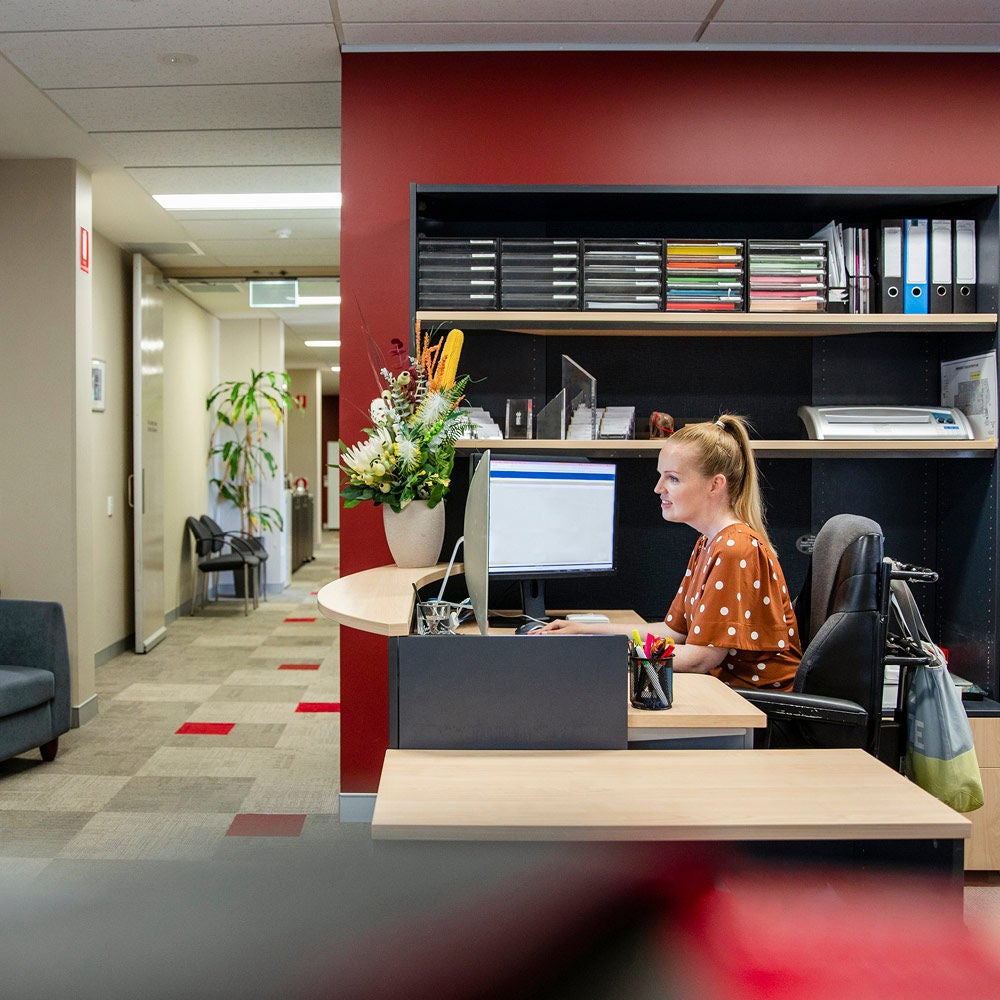
Admin & Health Services

Technology and efficiency to provide a productive, cost-effective working environment that supports student well-being.

Telecom Room

Comprehensive fiber and copper systems for a flexible and scalable network infrastructure.

Cafeteria & Common Areas

Signal extension for a variety of AV networks, supporting video displays and easy-access Wi-Fi.

Auditorium & Gym

State-of-the-art stadiums, auditoriums, and other event facilities with signal extension for enhanced IT/AV networks.

Frequently Asked Questions

An education network is the structured cabling and connectivity infrastructure that supports voice, data, Wi‑Fi, audio/visual, security, and building systems across a school or campus. It connects classrooms, libraries, administrative areas, and common spaces to ensure reliable, high performance access to digital learning tools and campus services.

K‑12 networks often prioritize simplicity, security, and consistent performance across classrooms, while higher education campuses require higher bandwidth, greater scalability, and support for research, residence halls, and large shared facilities. Both environments benefit from flexible infrastructure that can support future technologies without frequent disruption.

High bandwidth and latency sensitive applications such as classroom AV systems, wireless connectivity, video collaboration, security systems, and campus wide Wi‑Fi place the most demand on education networks. These applications require dependable performance across multiple buildings and learning spaces.

Reliable network infrastructure enables consistent access to digital learning tools, interactive classroom technologies, and real time collaboration. When connectivity performs predictably, educators can focus on instruction rather than troubleshooting technology limitations, improving the overall learning experience.

Fiber is commonly used for backbone and campus wide connections that require high bandwidth over longer distances, while copper cabling supports horizontal connections to classrooms, offices, and learning spaces. Together, they form a flexible network that balances performance, reach, and ease of deployment across educational facilities.

Structured cabling supports critical connectivity in classrooms, libraries, administrative and health services areas, telecom rooms, cafeterias, common spaces, auditoriums, and athletic facilities. A unified cabling approach helps maintain consistent performance across the entire campus.

A well designed education network provides the flexibility and scalability needed to support new applications, increased device density, and evolving digital learning models. By planning infrastructure for long term use, schools can adopt new technologies with less disruption and fewer incremental upgrades.

Modern school security systems, including access control, video surveillance, and emergency communications, depend on reliable network connectivity. A well designed network infrastructure helps ensure these systems perform consistently and remain operational across classrooms, common areas, and administrative spaces.

Education network upgrades are often designed to be phased and coordinated around academic schedules. Planning infrastructure improvements in advance allows schools to modernize connectivity while minimizing disruptions to classes, campus operations, and daily activities.

Education networks are designed to provide consistent performance across multiple buildings and learning environments. A unified infrastructure approach helps ensure dependable connectivity from the telecom room to classrooms, common areas, and administrative spaces, reducing variability in network performance across the campus.