

Loading...

Where Should AFCI Protection Be Installed in Your Home?

GFCI in Bathroom

Electrical fires are often caused by damaged wires, loose connections, or worn electrical cords hidden behind walls and furniture. That's why modern electrical codes require Arc Fault Circuit Interrupter (AFCI) protection throughout much of the home. AFCIs help identify dangerous arcing conditions and disconnect power before they can turn into a fire hazard. 
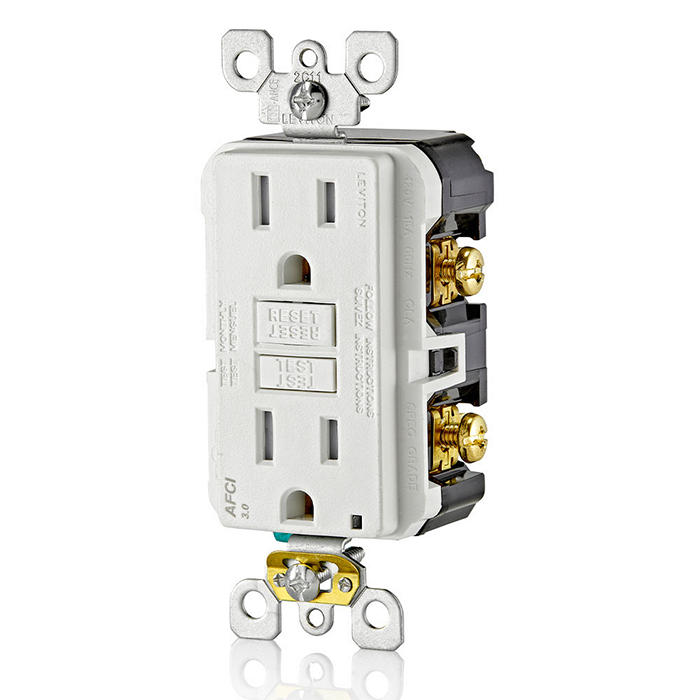
 

Understanding AFCI Protection
Leviton GFCI Outlet

Unlike a standard outlet or breaker that responds to overloads and short circuits, an AFCI is designed to recognize the unique electrical patterns created by an arc fault. These faults can occur when wiring becomes damaged, connections loosen over time, or cords are pinched, frayed, or deteriorated.

By shutting off power when a hazardous arc is detected, AFCI devices add an important layer of protection against electrical fires.

Which Areas of the Home Require AFCI Protection?

The National Electrical Code (NEC) requirements extend AFCI protection to most living areas within a dwelling. This means many of the circuits powering the rooms you use every day must be AFCI protected.

Leviton GFCI Outlet on Bathroom Wall

1. Bedrooms

Because people spend long periods of time sleeping in bedrooms, reducing the risk of electrical fires in these spaces is a top priority. AFCI protection helps safeguard outlets, lighting, and connected devices throughout the room. Leviton's AFCI outlet.

Leviton GFCI Outlet on Kitchen Wall

2. Living Spaces

Family rooms, living rooms, parlors, dens, libraries, and similar gathering areas all fall under AFCI requirements. These spaces often contain televisions, lamps, chargers, and other electronics that rely on multiple branch circuits. Leviton's AFCI Outlet

Leviton GFCI Outlet on Laundry Room Wall

3. Dining Rooms

Dining room circuits require AFCI protection to help protect lighting, receptacles, and other electrical devices commonly found in these spaces. Leviton's AFCI/Switch Combo

Leviton GFCI Outlet in Wall in Garage

4. Hallways and Closets

Even though these spaces may not contain many plug-in devices, the wiring that serves them still benefits from AFCI protection to help detect hidden electrical hazards. Leviton's Blankface AFCI

What does AFCI Protection Cover?

Many homeowners assume AFCI protection requirements only apply to outlets, but the code goes much further than that.

AFCI protection is intended for the entire branch circuit and can help protect:

  • Receptacles and outlets
  • Lighting fixtures
  • Wall switches
  • Hardwired smoke alarms
  • Other connected electrical devices
Testing AFCI Devices

Most AFCI devices include built-in self-monitoring features and a test button that allows you to verify proper operation. Periodic testing helps ensure the device is operating as intended and continues to provide protection for the connected circuit.

If you're upgrading your home's electrical system or planning a renovation, installing AFCI protection where required can help improve safety while meeting current National Electrical Code (NEC) requirements.

Want to learn more? Read our blog on Arc Faults and watch our video on AFCI Outlets and Breakers.

YouTube Video