
An arc-fault is an unintentional arcing condition of the electrical current in a circuit. Arcing creates high intensity heating at the point of the arc resulting in burning particles that can exceed 10,000 degrees Fahrenheit and may, over time, ignite surrounding material such as wood framing or insulation. There are two types of potentially dangerous arcs, series arcs and parallel arcs.

What is an Arc-Fault?
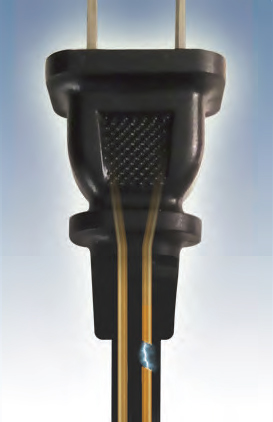
Series Arc
A series arc can occur when wiring or cords become unintentionally broken or frayed and the conductor wire, the one that carries the electricity, has an exposed or un-insulated gap.
A dangerous heat source could ignite from this condition.
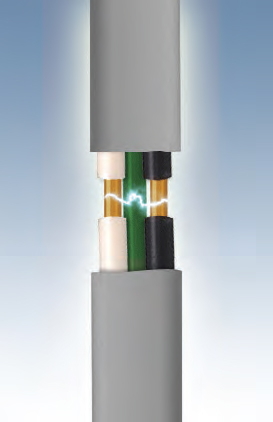
Parallel Arc
A parallel arc can occur when a wire's insulation is cut into the wire by a nail, staple, or if an appliance cord is sliced or damaged by an object such as a table or chair.
What Causes Arc-Faults?
Often unseen, arc faults occur anywhere in the home's electrical system including:


AFCI Outlets
An Arc Fault Circuit Interrupter (AFCI) Outlet is an important addition to a home's electrical system because it is designed to recognize many types of potentially dangerous arc-faults and respond by interrupting power to help prevent arc-faults that may lead to a fire. AFCIs reduce the chances of the electrical system BECOMING an ignition source of a fire.
They are now required by the National Electrical Code® in many areas of the home including bedrooms, family rooms, dining rooms, living rooms, laundry rooms, sunrooms, closets, hallways, and similar rooms or areas.
When are AFCIs Required?
AFCI protection may be required when existing branch-circuit wiring is modified, replaced, or extended in these areas. For example, if you are adding a new circuit, installing new outlets, or extending wiring more than six feet, AFCI protection is generally required.
Learn More about Arc Fault Circuit Interrupers.