How Do I Determine the Correct Voltage and Amperage?
Before installing or replacing any electrical device, verify the voltage and amperage requirements of the circuit and equipment being served. Using a device with an incorrect rating can lead to poor performance, equipment damage, or safety hazards.
Check the existing device, electrical panel documentation, or equipment specifications to confirm the appropriate ratings.
Indoor vs. Outdoor Electrical Devices: What's the Difference?
The installation environment plays a major role in device selection. Indoor applications may require standard residential, commercial, or industrial grade devices, while outdoor locations often require weather-resistant devices and protective covers designed to withstand moisture, dust, UV exposure, and temperature changes.
For outdoor installations, look for products specifically rated for the environment and verify that covers, enclosures, and wiring methods meet applicable code requirements.
When Is GFCI Protection Required?
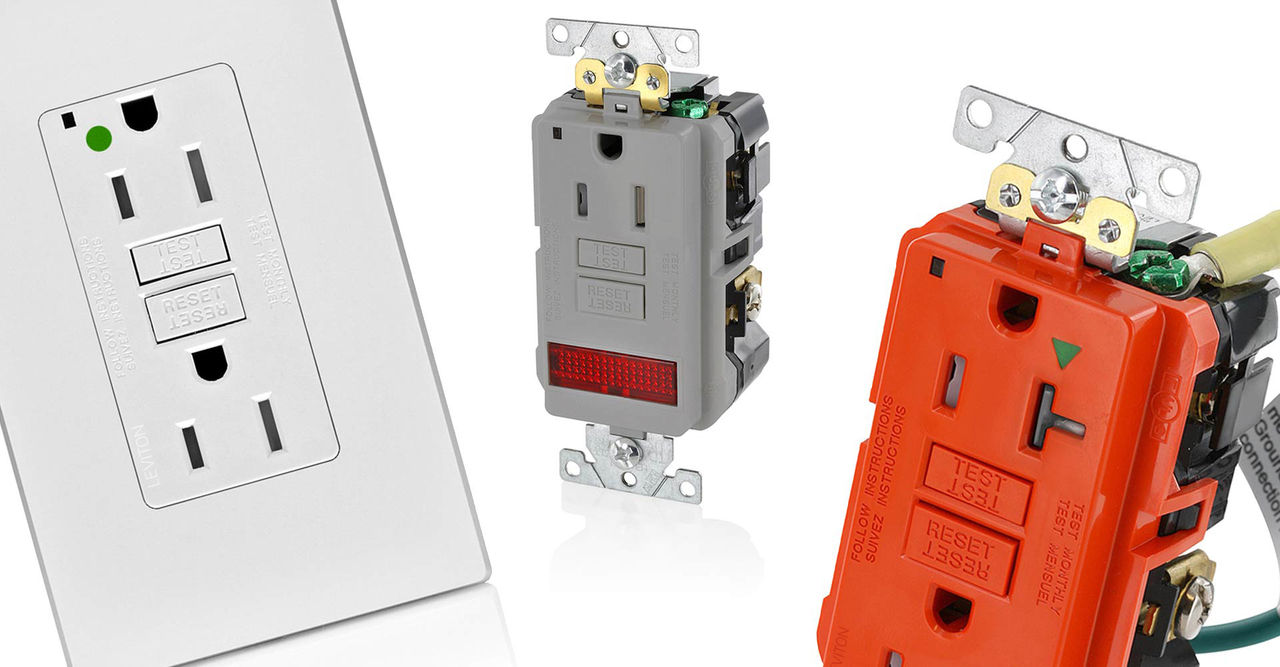
Ground Fault Circuit Interrupter (GFCI) protection helps reduce the risk of electrical shock by interrupting power when a ground fault is detected. The National Electrical Code® (NEC®) requires GFCI protection in many locations where moisture or water exposure may be present.
Depending on the application, GFCI protection may be required in areas such as bathrooms, kitchens, rooftops, outdoors, garages, and other specified locations. Always consult the latest NEC requirements and local codes when determining protection requirements.
Signs It May Be Time to Replace an Electrical Device
Electrical devices can wear over time due to age, environmental conditions, and frequent use. Stop using and replace a device if you notice:
- Cracked, damaged, or discolored receptacles or switches
- Loose plugs or poor device retention
- Excessive heat, sparking, or unusual odors
- Intermittent operation or loss of power
- Visible corrosion or moisture damage
Regular inspections can help identify potential issues before they impact safety or performance.
Installation & Replacement Checklist
Before selecting a new electrical device, ask:
- Is the device rated for the correct voltage and amperage?
- Is it suitable for the installation environment?
- Does the application require GFCI or AFCI protection?
- Does the device configuration match the existing wiring and equipment?
- Does the installation comply with current NEC® and local code requirements?
- Will the device withstand the expected usage and operating conditions?
By evaluating electrical requirements, environmental conditions, and applicable code requirements before installation, contractors and facility managers can select devices that improve safety, reduce maintenance, and support reliable facility operation. Leviton’s portfolio offers solutions designed to meet the needs of a wide range of applications.
Electrical work should be performed in accordance with applicable codes and the manufacturer’s instructions. Before servicing a device, de-energize the circuit and verify that power is off. If you are unsure about the circuit, wiring, device rating, or code requirements, consult a qualified electrical professional.