
Electrical outlets are a vital part of every home, but they don’t last forever. Just like any other part of the house, they may need to be replaced over time. The manner in which they are used, exposure to moisture or dust, and even changes in the safety standards can make it necessary to replace or upgrade them. So, whether you’re renovating, troubleshooting an issue or just want peace of mind, understanding when and why to replace electrical outlets is a smart move.
Electrical Outlet Safety Guide: Warning Signs, When to Replace, FAQ's
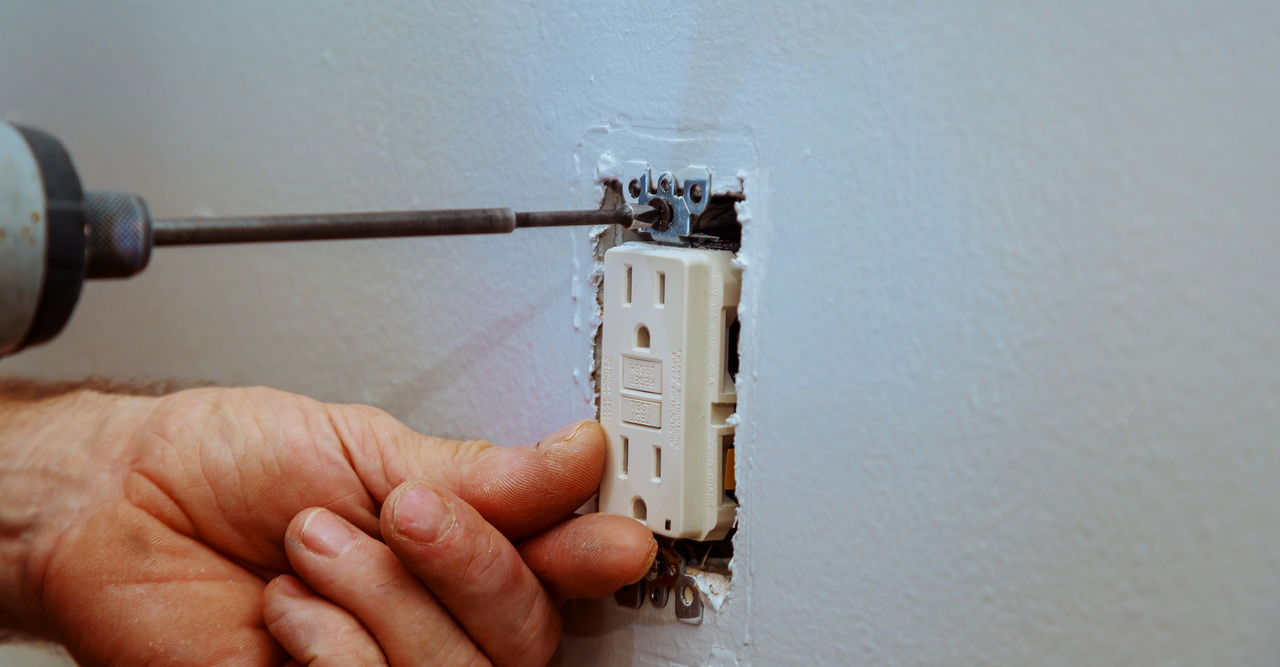
Signs an Electrical Outlet Should be Replaced Immediately
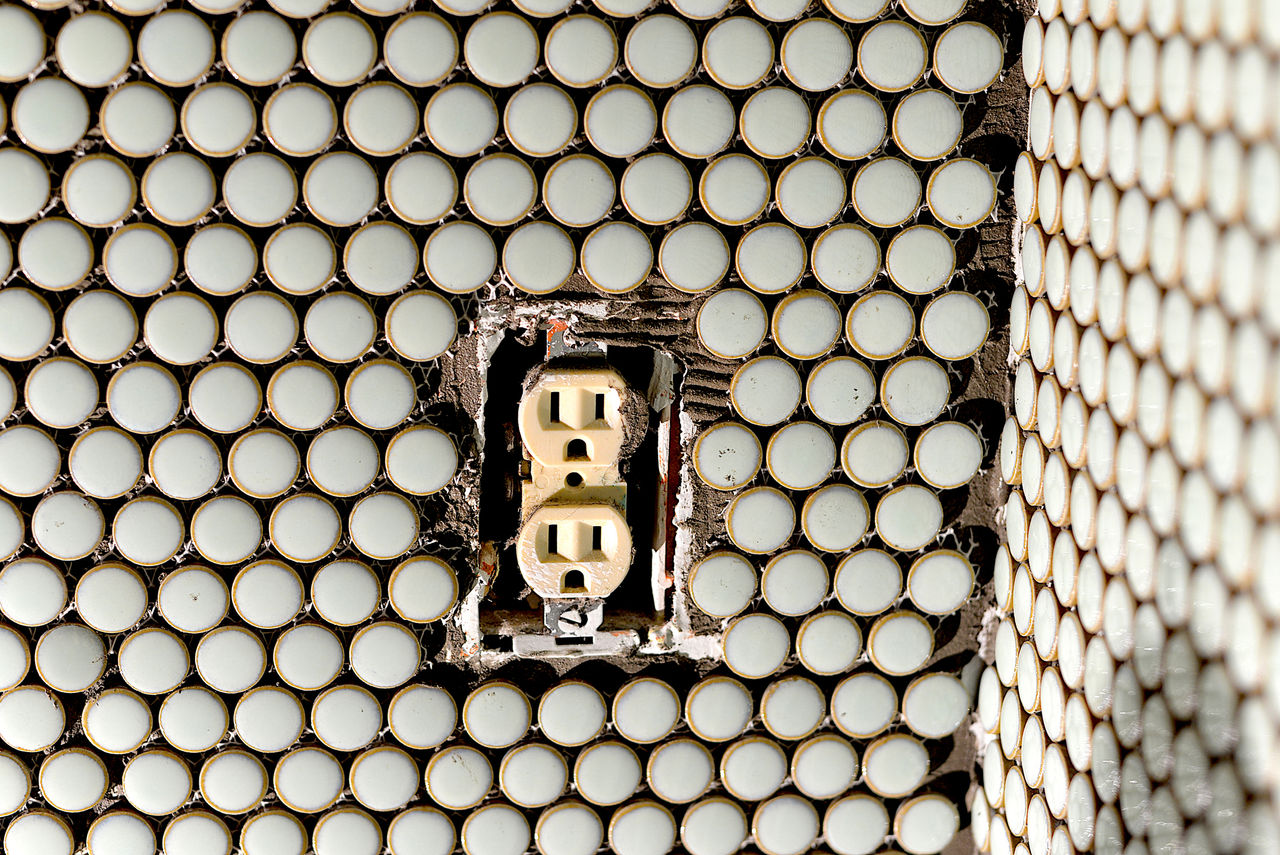
Discoloration on the face: Discoloration such as browning, black marks, or melting often signals overheating, electrical arcing or internal damage.
- These issues may stem from faulty wiring, circuit overload, damage caused by a faulty cord or plug, or wear and tear related to usage.
- Even minor discoloration can be a sign of a serious underlying problem that compromises outlet safety.
Loose plugs: If plugs fall out easily, the internal contacts may be damaged.
- Inside every outlet there are small metal contact points that grip the blades of the plug. Over time, these contacts can lose tension, typically from misuse (such as yanking on cords), which can cause plugs to fit loosely or fall out.
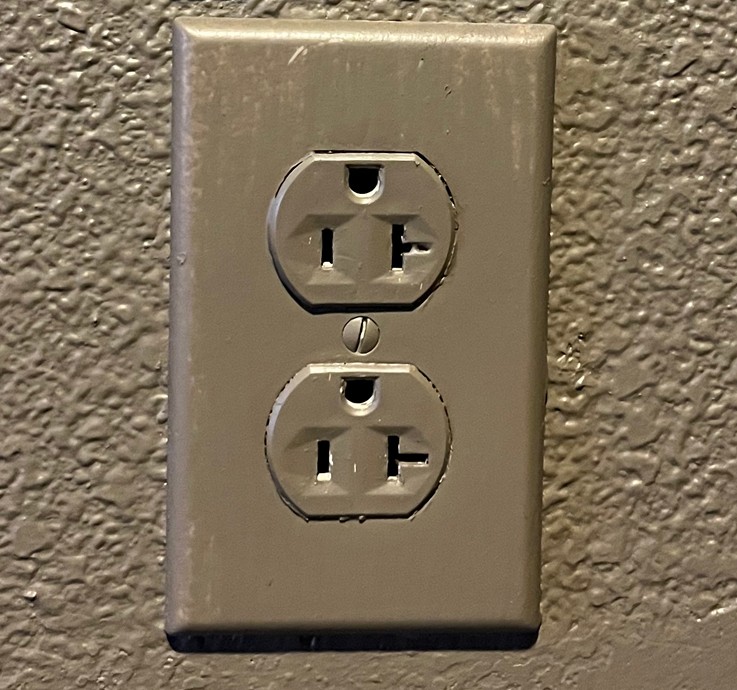
Painted Outlets: Paint on outlets, especially inside the slots, can interfere with electrical contact, leading to poor conductivity, overheating, and fire hazards.
- Painted outlets may also violate electrical codes, particularly if paint has seeped into the internal components.
- Even if the outlet appears functional, it must be replaced to ensure safe operation.
Cracking or warping: Physical damage compromises the integrity and safety of the outlet.
- The typical causes of cracking and warping are heat damage, physical stress from impact, or improper installation, such as overtightening.
- Drawing too much current through an outlet can cause it to overheat, which also leads to melting or warped plastic.
Sizzling, popping, or buzzing sounds: Unusual sounds from outlets are a huge red flag.
- These noises are serious warning signs of electrical problems and suggest arcing or electrical faults.
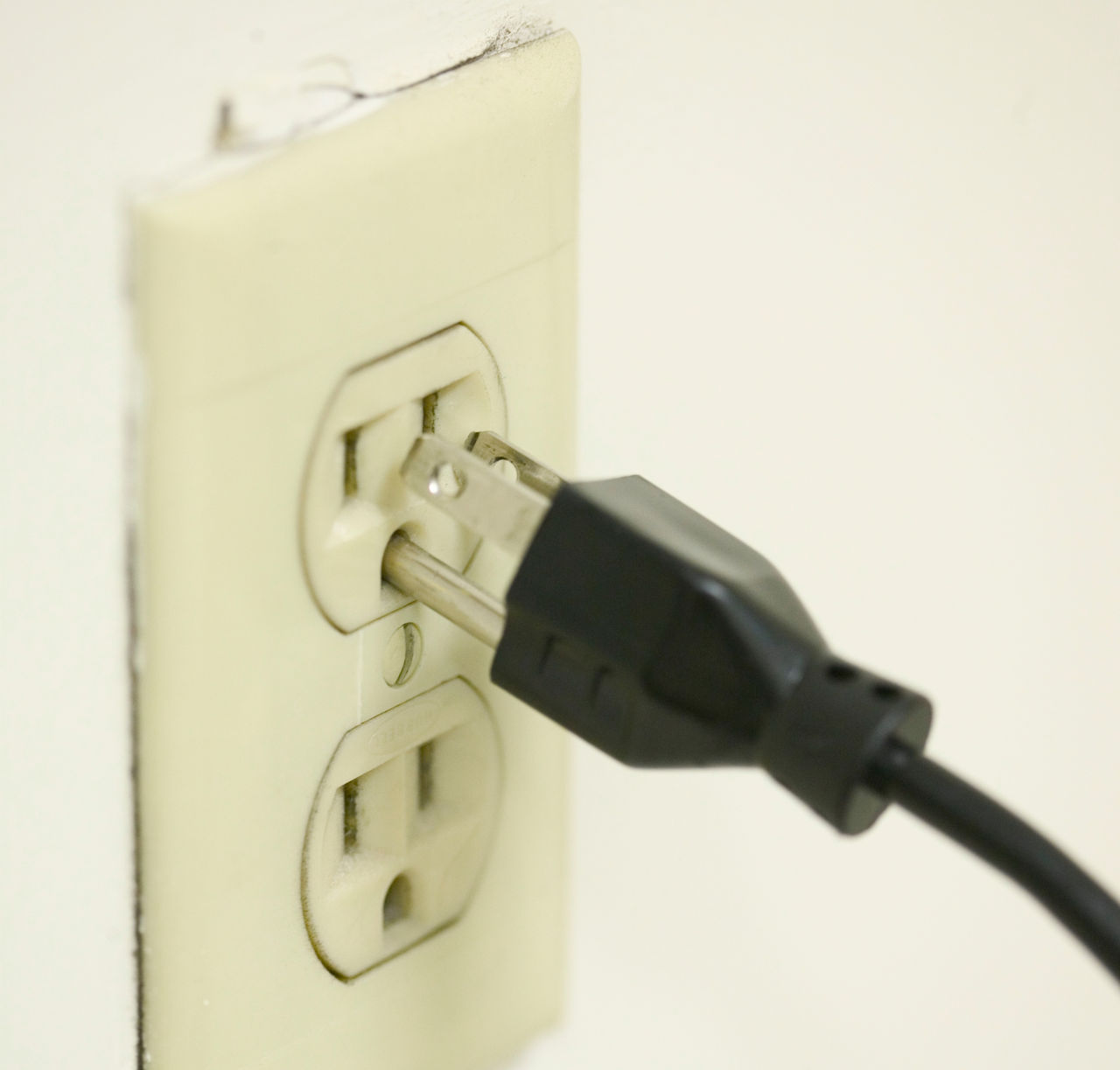
Warm to the touch: While dimmers may feel warm, standard outlets should not. They should remain cool during use.
- Heat indicates that something is wrong. Either the outlet itself, the wiring behind it, the plug, or appliance could be faulty.
- Overheating can lead to electrical fires, especially if the outlet is damaged or overloaded or incorrectly installed.
Burning smells: A clear warning sign of overheating or electrical fire risk.
- This may indicate melting insulation, arcing inside the outlet or the plug, or a loose connection causing a high resistance connection at the terminal, all of which can create a fire risk.
- Turn off the circuit immediately! Do not use the outlet until it has been inspected and replaced.
Exposure to water: Outlets exposed to water whether through flooding, splashing, or leaks must be replaced. Damaged while-in-use covers, or covers not properly installed, can allow water to enter electrical boxes.
- Moisture can cause corrosion or internal components, short circuits, and shock or fire hazards.
- Even if the outlet appears dry afterwards, the inside of the outlet may be damaged. If flooding occurred and the outlet was submerged or splashed, it must be replaced to prevent corrosion and short circuits.
When to Update or Upgrade Electrical Outlets
Even if outlets seem to be working fine, upgrading may be necessary to meet current safety standards or be suited for modern electrical demands. Upgrading can protect homes from electrical hazards and improve functionality. Here's how to know when it's time.
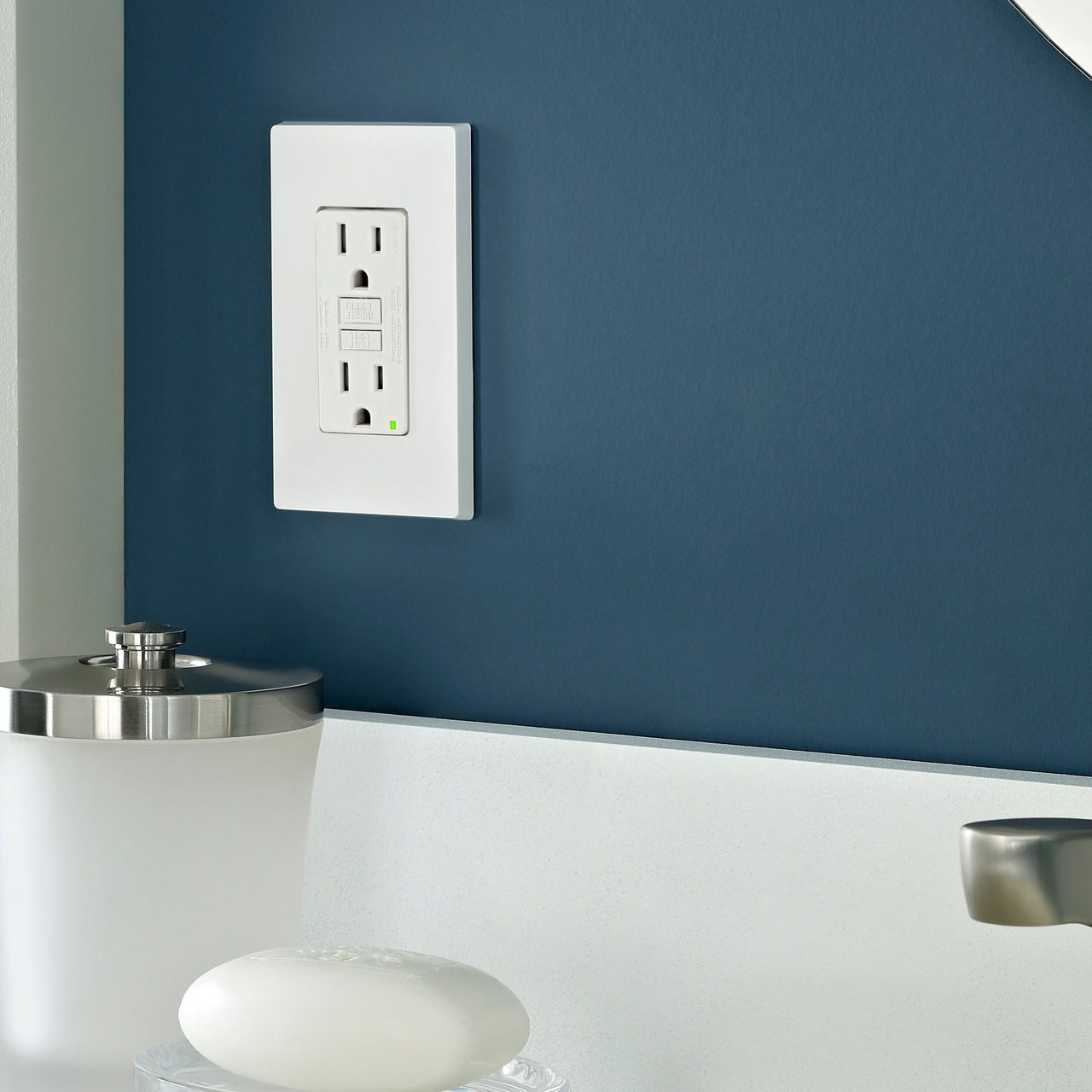
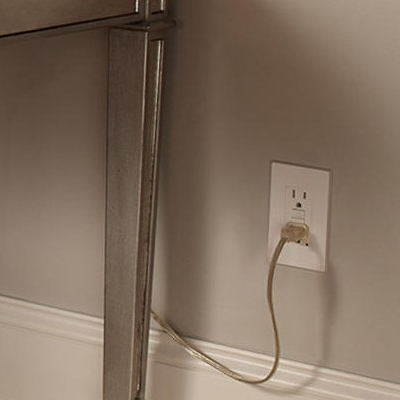
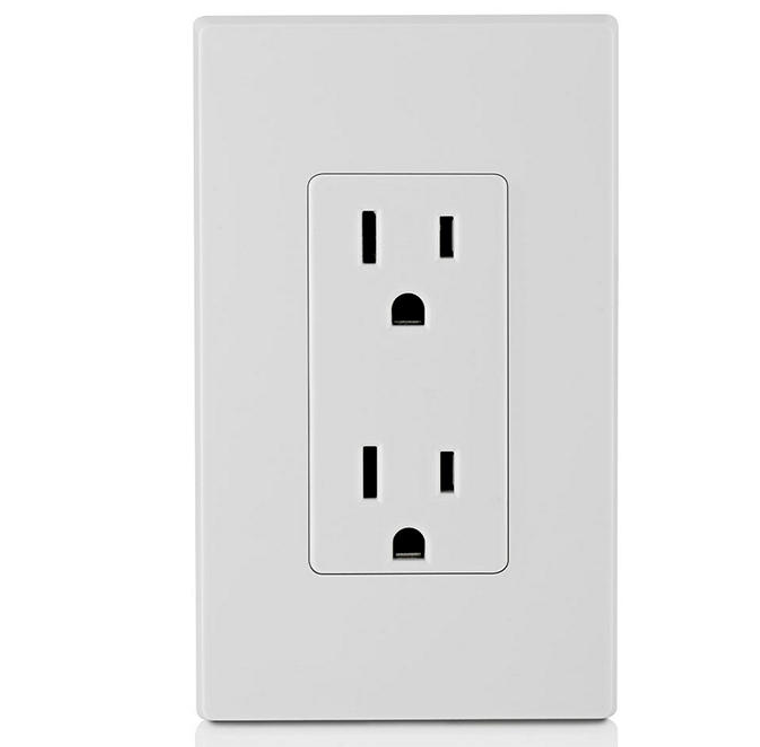
GFCI Protection: The National Electrical Code (NEC) requires Ground Fault Circuit Interrupter (GFCI) outlets in areas near water such as kitchens, bathrooms, basements, garages, and outdoor spaces.
- If there are still standard outlets in these areas, there is no protection from shock or electrocution due to ground faults.
- Upgrading to GFCI outlets enhances safety and ensures compliance with code. Leviton offers a wide range of GFCI outlets with features like self-test and tamper resistance, making them a reliable choice for these critical areas. The line also hosts a variety of options such as GFCI with Guidelight, GFCI/USB combination, and GFCI with audible alert that can work well for any configuration needed.
AFCI Protection: Arc Fault Circuit Interrupter (AFCI) outlets detect potentially dangerous arcing conditions and shut off power to help prevent electrical fires.
- When installed as the first outlet in the branch circuit, they protect the entire downstream circuit, which includes all the wiring as well as anything plugged into outlets farther down on the same circuit such as lamps, extensions cords, appliances, and other devices.
- AFCI protection is required in areas like bedrooms, living rooms, dining rooms, and home offices. If you are replacing a receptacle in one of these locations, the replacement needs to be protected by an AFCI device (either a receptacle or breaker) per NEC 406.12(D)(4)
Two-Prong Outlets: Older homes often have outlets with only two slots, a hot and neutral, without a ground wire. Lack of grounding increases the risk of electrical shock and damage to sensitive electronics.
- Many modern appliances and devices require three-prong outlets for safe operation.
- If you plan to use these outlets for heavier draw devices such as appliances, replace the outlet with a GFCI. You can then also replace all downstream outlets with three-prong receptacles. While these won't have grounding capability, they will protect you from ground faults. Leviton's tamper-resistant outlets are ideal for these upgrades, offering enhanced safety and modern design.
Frequent Circuit Breaker Trips: If your breaker trips frequently, it's a possible sign that your electrical system is overloaded, incorrectly configured, or there's a short in either the branch circuit wiring or in something plugged into that circuit.
- Possible causes are too many devices on one circuit, outdated wiring, or undersized circuits for modern power demands.
- An electrician can assess whether your circuit is properly sized and may recommend installing additional outlets to distribute the load safely. Leviton Load Centers help reduce frequent breaker trips by offering smart diagnostics, real-time energy monitoring, and intuitive fault detection making it easier to size circuits correctly and maintain electrical safety.
Frequently Asked Questions About Outlet Replacement & Upgrades
How long do electrical outlets last?
- Outlets can last for many years depending on usage, environment, and build quality.
- Common replacement signs include burning smells or scorch marks, being warm or hot to the touch, loose plugs/wobbly outlets, buzzing or cracking sounds, frequent breaker trips, or even sparking when plugging in a device.
Can an outlet fail even if it looks fine?
- Absolutely. Internal damage or loose wiring due to incorrect installation may not show visible signs but still pose safety risks.
Do two-prong outlets need to be replaced?
- Two-prong outlets are ungrounded and do not meet modern safety standards. If the outlet is near water, it should be replaced with a GFCI.
Why would outlets get hot or emit a burning smell?
- This could indicate overheating, which can be caused by loose wiring, overloading, or internal damage. These outlets should be replaced immediately to prevent fire risks.
Should outlets be upgraded during a renovation project?
- Absolutely. Renovations are a great time to upgrade to AFCI or GFCI outlets, tamper-resistant outlets, or smart outlets to improve safety and functionality. Leviton offers a Smart GFCI Outlet, which works with the My Leviton app to send notifications directly to the user's smart phone when it detects a trip.
What causes outlets to stop working?
- Possible causes include tripped circuit breakers, faulty wiring, internal outlet damage, or moisture exposure in damp areas.
Are outdated outlets a fire hazard?
- They can be. If the outlets are damaged, it can lead to arcing, sparking, and over heating, all of which increase the risk of electrical fires.
Is it safe to replace an outlet yourself?
- While some homeowners feel comfortable replacing outlets, it's recommended to hire an electrician to ensure proper installation and code compliance. DIY mistakes can lead to electrical shocks or fires. If you elect to do it yourself, be sure to carefully follow the installation instructions.
Maintaining safe and functional outlets isn’t just about convenience; it’s essential for protection, efficiency, and future-proofing homes. Regular inspections, timely replacements, and code-compliant upgrades – especially with trusted brands like Leviton - can prevent electrical hazards and ensure the system is equipped for today’s demands. A quick review and inspection today could prevent a serious hazard tomorrow.
To learn more visit: Electrical Outlets by Leviton Manufacturing