
As electric vehicles (EVs) become more widespread, understanding what drives charging costs can help both homeowners and businesses better manage energy use and reduce expenses.
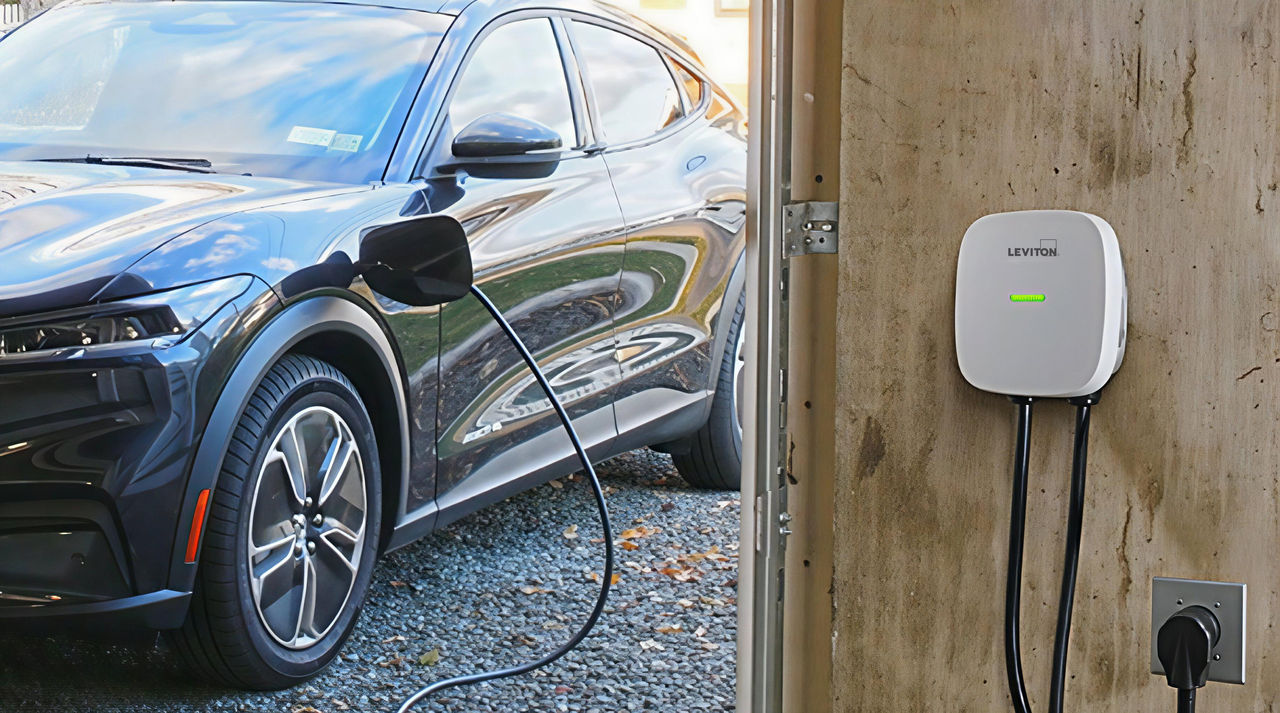
EV Charging Costs: What Impacts your Electricity Bill
What Affects EV Charging Costs?
Time of Charging
- When you charge your EV, it has a direct impact on cost. Scheduling charging during lower-demand, off-peak hours can help reduce electricity bills and improve overall efficiency.
Energy Usage and Monitoring
- Tracking how much energy your EV charger uses is key. Smart EV charging solutions allow users to monitor charging sessions, view energy usage, and log performance data - making it easier to identify cost-saving opportunities.
Charger Technology
- Using a smart EV charger provides greater control compared to standard charging. Connected solutions offer remote access, automation, and insights that help optimize energy consumption.
How Smart Charging Helps Lower Costs
Leviton's EV Series Smart Home chargers, integrated with the My Leviton app, make it easy to take control of charging costs. Users can schedule charging sessions in advance - specifically during off-peak utility hours - to save money on electricity.
The app also allows users to:
- Monitor charging status in real time
- Track energy usage and charge duration
- Start or stop charging remotely
By shifting charging to off-peak times, users can reduce costs while maintaining reliable vehicle readiness.
EV charging costs depend on when and how you charge. With smart solutions like Leviton's EV chargers, users can optimize energy usage, schedule off-peak charging, and gain better visibility into their electrical consumption - helping lower bills and improve efficiency.