
Why it Matters: Surge protected devices divert sudden voltage spikes before they reach the electronics you use every day. These surges can occur during storms, power outages, or routine electrical fluctuations in your home, making it important to choose the right protector.

What To Consider When Choosing a Surge Protected Power Strip
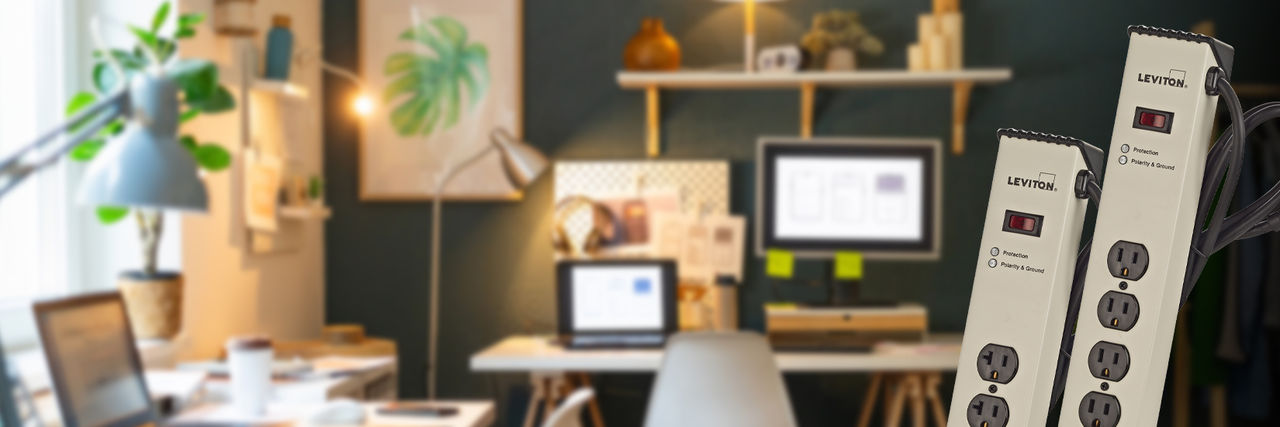
Key Factors to Look For
1. Protected Indicator Light
Indicator lights let you know whether surge protection is still functioning. If the protection light goes out, the outlets may continue to supply power, but your equipment is no longer protected from power surges.
2. Cord Length and Placement
Think about where you’ll use the surge protector. A longer cord is useful for desks, entertainment setups, or workstations, while a more compact design is better suited for smaller spaces.
Things to Consider
Number of Outlets
Choose enough outlets for your current setup, plus a few extras. Widely spaced outlets help with bulky plugs and adapters.
Safety Certification
Look for UL certification or another recognized safety listing so you know the product meets safety standards.
Warranty & Coverage
Some units offer equipment coverage for connected devices, which can add extra peace of mind.
Helpful Extras
Fire resistant casing, a built-in circuit breaker, and EMI/RFI filtering can make the product more useful.
Important Reminder: A Power Strip is Not Automatically a Surge Protector
A power strip mainly provides extra outlets, while a surge protector also helps defend against voltage spikes. Always check the package for details on surge protection, clamping voltage, and safety certifications.
Plug-In vs. Whole Home Protection
Surge protection works best as a layered system. Type 1 and Type 2 surge protective devices are installed at or near the electrical panel to help protect the home’s electrical system from larger power surges. Type 3 devices, such as plug-in surge protectors and power strips, help protect electronics at point of use.
For the best setup, homeowners can use Type 1 or Type 2 protection for the whole home and Type 3 protection for sensitive electronics like TVs, computers, gaming systems, and chargers.