
Selecting a submetering system can quickly become a technical conversation. What needs to be measured? What equipment is required? What level of accuracy is needed?
Those questions matter, but there’s a more useful place to start:

Selecting a submetering system can quickly become a technical conversation. What needs to be measured? What equipment is required? What level of accuracy is needed?
Those questions matter, but there’s a more useful place to start:
What do you need the information to help you accomplish?
A submetering system can support objectives ranging from tenant billing and cost allocation to energy monitoring, benchmarking, measurement and verification, and energy code compliance. The intended outcome can influence the application, level of visibility, accuracy, reporting needs, and other system considerations.
Start with the Outcome
It can be tempting to start a submetering project by asking what you can measure. Instead, consider what you need to know.
A building owner looking to allocate energy costs among tenants has a different objective than a facility manager looking for greater visibility into energy use. Both may need energy data, but how that information will be used can influence what the system needs to provide.
The better question isn’t simply, “What should we measure?” It’s “What information do we need to make better decisions?”
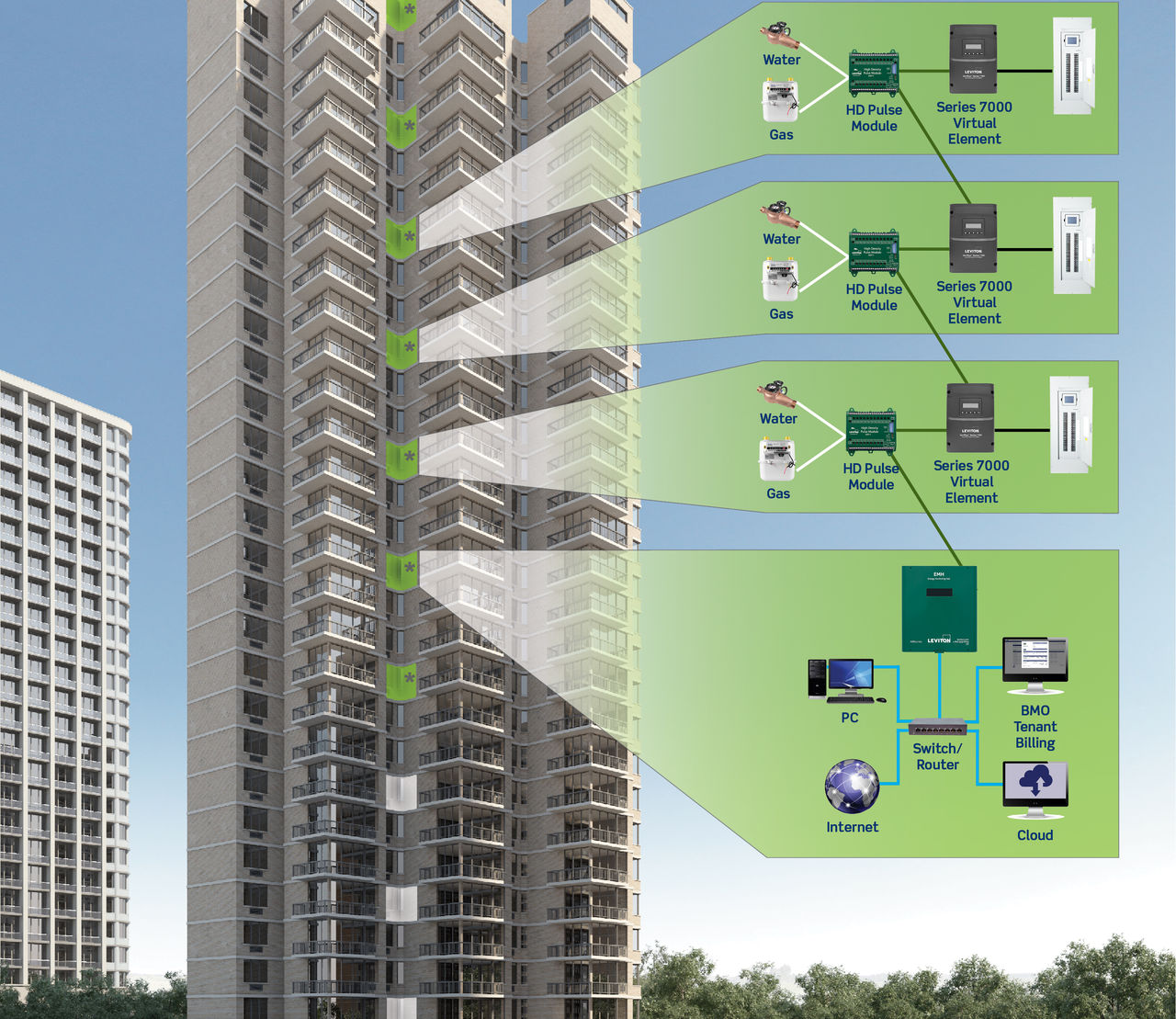
Different applications can have very different submetering needs.
Think Beyond the Measurement
Once you know what you need the information to accomplish, other questions begin to surface.
Not every project will answer those questions the same way. The physical application, required data visibility, intended use of the information, accuracy, reporting needs, existing infrastructure, and long-term objectives can all influence the appropriate submetering approach.
That’s why selecting a submetering solution involves more than matching a meter to an electrical load.
Measurement is part of the system. What happens with that measurement matters too.
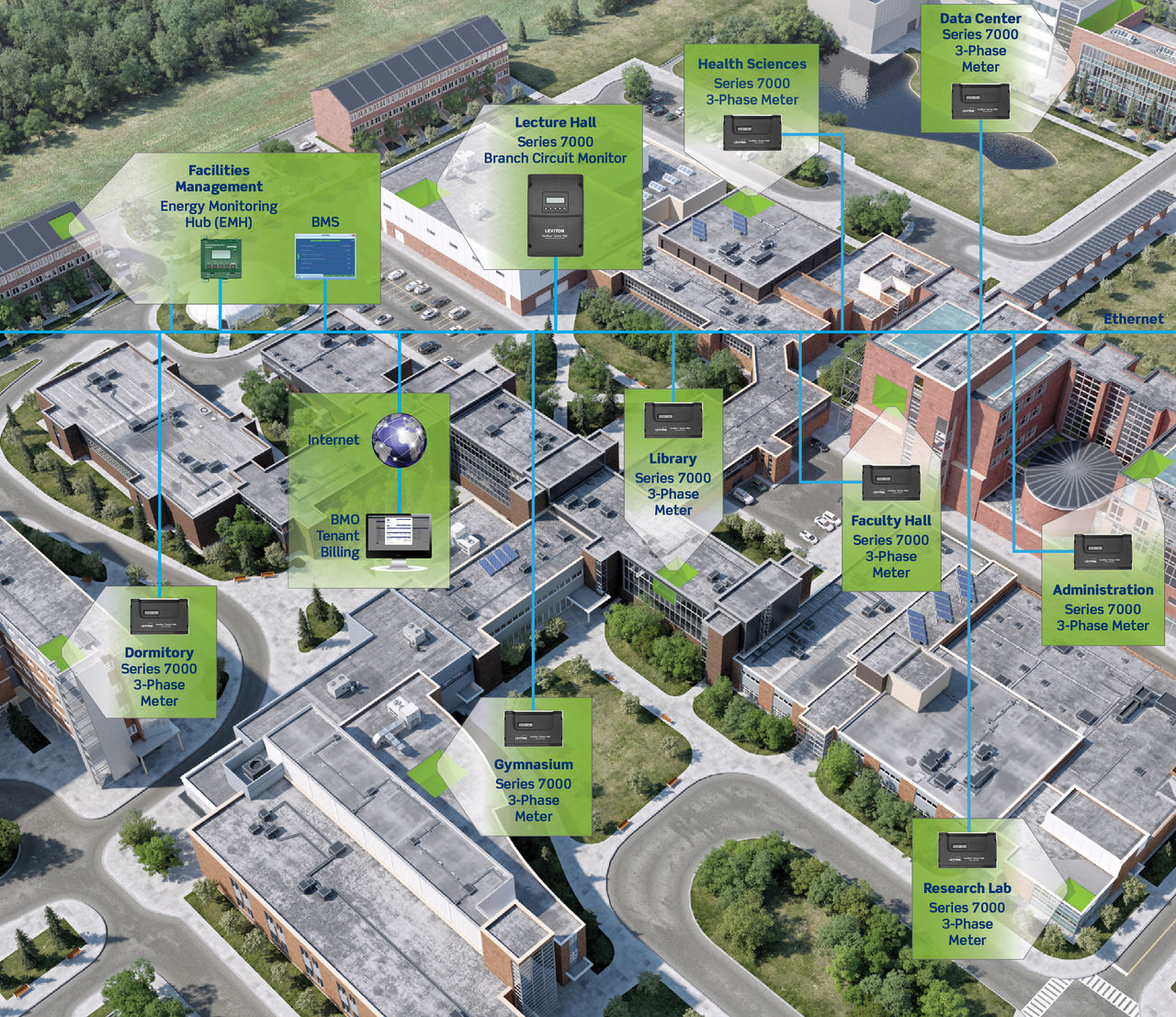
As the application changes, so can the requirements behind the system.
Before You Compare Submetering Solutions
Before getting into products and specifications, bring the conversation back to three questions:
What do we need to know?
What are we going to do with the information?
What might we need from the system later?
These questions won’t tell you which submetering solution to select. They help clarify what you should be looking for when you do.
Learn More
Better data → better decisions → better outcomes.
👉 Read the white paper, Energy Submetering for Cost Control, Transparency, and Sustainable Operations
👉 Visit www.leviton.com/verifeye to explore submetering solutions