
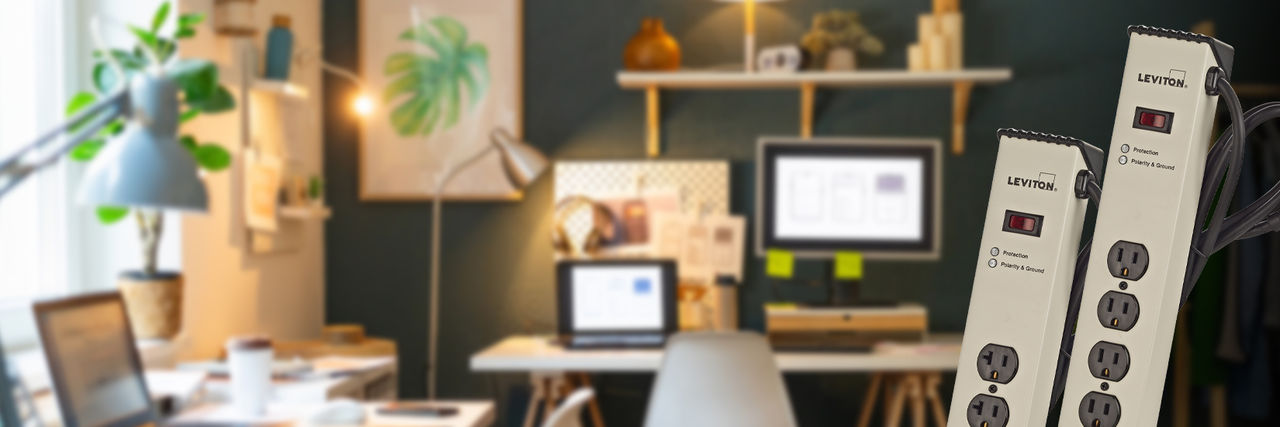
Power strips offer an easy way to add more outlets wherever you need them. They plug into a standard wall outlet and let you power multiple devices at once, such as chargers, lamps, laptops, TVs, and other small electronics. When used properly, power strips help keep your space organized and your devices running safely.
What Are Power Strips and Where Can You Use Them?
Where Can You Use A Power Strip?
Home Office
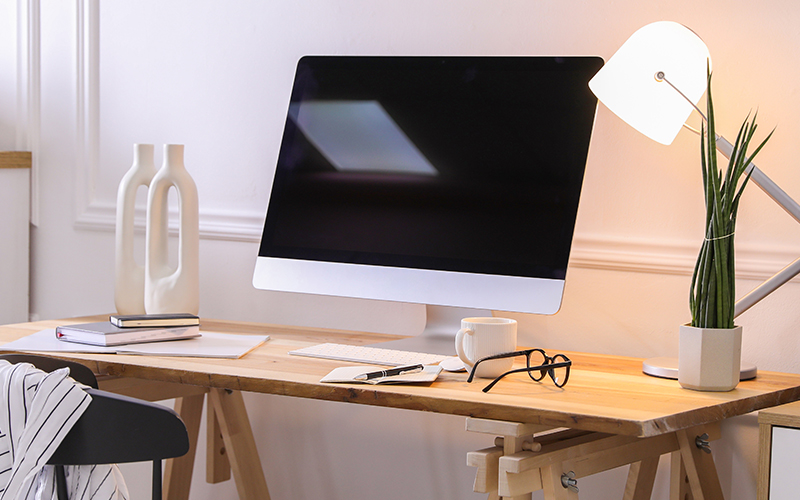
Power strips are perfect for home offices. They help keep your workspace organized by powering laptops, monitors, printers, lamps, and phone chargers all in one place.
Living Room
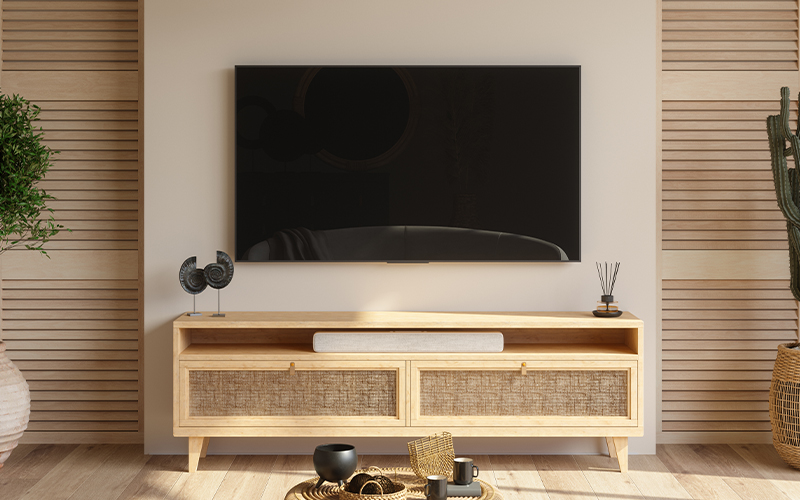
Use power strips for entertainment centers to connect TVs, streaming devices, gaming consoles, soundbars, and speakers. They help keep cords neat and everything running smoothly.
Bedroom
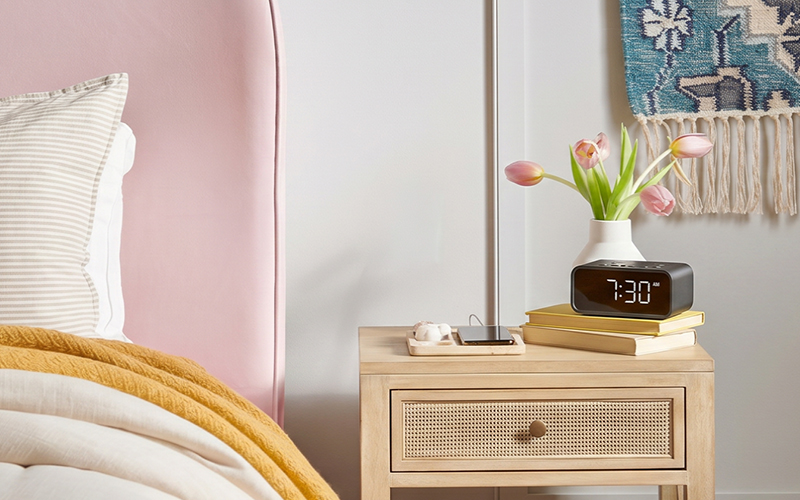
Power strips are useful by nightstands or desks for lamps, keeping everyday essentials powered and within reach. They provide access for lamps, alarm clocks, phone chargers, tablets, and other small electronics.
Where Should You Not Use A Power Strip?
- Do not use with high-power appliances. Avoid plugging in space heaters, microwaves, air fryers, refrigerators, toasters, or anything that produces significant heat or uses a lot of electricity.
- Do not place under rugs or carpets. Heat can build up and create a fire risk.
- Do not use near water. Keep power strips away from sinks, aquariums, bathtubs, and other wet areas.
- Do not hide behind furniture. Cords can become pinched or damaged, leading to overheating.
- Do not plug one power strip into another. This can overload the circuit and create a serious safety hazard.
- Do not use as a permanent solution. If additional outlets are needed, consider installing more wall outlets.
Simple Safety Tips For Using Power Strips
- Plug directly into a wall outlet. Avoid plugging the power strip into an extension cord or another power strip.
- Use for low-power devices. Limit use to chargers, lamps, TVs, computers, and other small electronics.
- Check the rating. Ensure the power strip can safely handle the total wattage of all connected devices.
- Keep it visible and accessible. Make sure the power strip is easy to see and can be quickly unplugged if necessary.
- Inspect regularly. If the cord, plug, or outlets show any damage, stop using the power strip and replace it immediately.
Power Strip vs Surge Protected Power Strip
Power Strip
Adds more outlets
Gives extra places to plug in devices
Best for basic use
Good for lamps, chargers, fans, and other low-power devices
No surge protection
Does not protect devices from electrical spikes
Surge Protector
Adds more outlets and protects devices
Helps protect your electronics from power surges and voltage spikes
Best for valuable electronics
Ideal for TVs, computers, gaming systems, and other sensitive equiment
Built-in surge protection
Helps reduce the risk of damage from power surges
Power strips are a helpful tool for adding extra outlets in home offices, living rooms, bedrooms, and more. They help keep your space organized while ensuring your devices stay powered. Just remember to use them for everyday electronics rather than large appliances and always follow basic safety guidelines. When used properly, the right power strip can make your home both safer and more convenient.