

Cellular networks are emerging as a critical infrastructure for live feedback on integral business functions, from smart factory floors that are equipped with real-time data and predictive maintenance, to health care settings with remote patient monitoring. Many of the buildings in which this work takes place are ill-equipped for cellular reliability. In this season of Beyond Bandwidth we will explore Distributed Antenna Systems (DAS), a means to bring reliable cellular connectivity into buildings. Our hosts will interview experts in the industry and discuss DAS types, implementation, advantages, requirements, and much more.
Beyond Bandwidth, Leviton Network Solutions’ first podcast series, is an exploration of the hottest topics in network technology. Take a seat at the table with Global Technical Sales Specialist and Host Roy Chamberlain as he brings us in-depth discussions with thought leaders and industry experts. Sit back, relax, and let us connect your questions to their answers as we take you Beyond Bandwidth.
Go to: Season 2 - AI Network Infrastructure »
Season 1 | Distributed Antenna Systems (DAS)
Episode 1 | What’s the Deal with DAS?
In our premiere episode of Beyond Bandwidth, Roy Chamberlain sits down with Network Solutions’ Sr. Product Manager Mike Connaughton to investigate Distributed Antenna Systems (DAS). In this episode, Roy and Mike explore:
- What DAS is, and why demand for DAS has been increasing
- What 5G is, how it will collaborate with Wi-Fi®, and how it may transform the industry
- Whether DAS support infrastructure will affect other back-end systems and what is required for different DAS systems to connect


Beyond Bandwidth Podcast – Season1, Episode 1
Distributed Antenna Systems (DAS), 5G, and In-Building Connectivity
Introduction to the Podcast
0:04 — Roy Chamberlain:
Hello everyone, and welcome to Beyond Bandwidth, Leviton’s podcast series where we dive into network technology's hottest topics.
0:12 — Roy Chamberlain:
I am your host from Leviton Network Solutions, Roy Chamberlain.
0:16 — Roy Chamberlain:
The discussion for this series is Distributed Antenna Systems, otherwise known as DAS.
0:21 — Roy Chamberlain:
We are joined by today's subject matter expert, Leviton’s own Mike Connaughton.
What Is a Distributed Antenna System (DAS)?
0:28 — Roy Chamberlain:
So Mike, what exactly is a distributed antenna system?
0:35 — Mike Connaughton:
A distributed antenna system (DAS) is a way of capturing cellular signals from outside—like Verizon or AT&T—and bringing them into a building.
0:44 — Mike Connaughton:
It’s most commonly used where indoor cell service is weak. A donor antenna (typically on the roof) captures the signal and distributes it throughout the building using multiple antennas.
0:59 — Mike Connaughton:
It works in both directions—signals come in and also transmit back out to the carrier network.
Passive vs Active DAS Systems
1:28 — Roy Chamberlain:
So it works both directions with passive systems?
1:31 — Mike Connaughton:
Yes. Passive DAS uses a bi-directional amplifier (BDA) to boost signals both ways.
1:43 — Mike Connaughton:
Active systems don’t use BDAs—they operate more like their own cell site, distributing signals internally and connecting back to carrier networks.
Why Demand for DAS Is Increasing
2:25 — Roy Chamberlain:
Why is demand for DAS higher today than 10 years ago?
2:37 — Mike Connaughton:
Two main reasons:
Cell phones are now essential for business
Technology has evolved from 3G → 4G → 5G
3:38 — Mike Connaughton:
Higher frequencies mean faster speeds—but weaker building penetration, increasing the need for DAS.
Building Materials and Signal Challenges
4:17 — Roy Chamberlain:
So materials like glass impact signal strength?
4:18 — Mike Connaughton:
Exactly—materials like low-E glass, metal, and underground environments block signals significantly.
What Is 5G and Why It Matters
5:34 — Roy Chamberlain:
What exactly is 5G and its purpose?
5:49 — Mike Connaughton:
Yes, speed is a major benefit—but 5G also introduces:
Network slicing
Private networking
Better support for IoT and automation
5G vs Wi‑Fi: Key Differences
8:07 — Roy Chamberlain:
Is 5G competing with enterprise Wi-Fi?
8:10 — Mike Connaughton:
They will coexist:
Wi-Fi: Best for stationary connectivity
5G: Best for mobility and continuous connection
8:42 — Mike Connaughton:
5G excels in environments with moving devices like forklifts, robotics, or automation systems.
Private 5G Networks and CBRS Spectrum
9:51 — Roy Chamberlain:
How do organizations get their own private 5G network?
10:07 — Mike Connaughton:
Two main methods:
1. CBRS Spectrum (Citizens Broadband Radio Service)
Shared spectrum allocated in the U.S.
Managed to avoid interference
2. Private Network as a Service
Providers handle infrastructure and management
Businesses pay a subscription fee
DAS and Structured Cabling Infrastructure
12:08 — Roy Chamberlain:
What does Leviton have to do with DAS?
12:25 — Mike Connaughton:
DAS runs on structured cabling, just like other communication systems.
13:10 — Mike Connaughton:
Modern structured cabling (Cat6, fiber, etc.) supports multiple applications—including DAS.
DAS Design Considerations (Top vs Bottom Distribution)
14:23 — Roy Chamberlain:
Does DAS affect backbone cabling?
14:25 — Mike Connaughton:
Yes, but one key difference:
Traditional networks: originate in basement
DAS: often starts at top floor (near roof antenna)
Importance of Standards-Based Cabling
15:33 — Mike Connaughton:
Some DAS systems use proprietary cabling—but structured cabling offers flexibility.
15:47 — Mike Connaughton:
With standardized cabling, you can switch technologies without rewiring the building.
DAS Licensing, Regulations, and Carrier Agreements
18:03 — Roy Chamberlain:
What about licensing and legal requirements?
18:30 — Mike Connaughton:
There are two main DAS categories:
Industrial DAS (Active / Fiber DAS)
Used in stadiums, airports, large venues
Requires:
Carrier agreements
Installation approval
Consumer DAS (Passive / BDA)
Used for coverage improvement
Does NOT require prior approval
Must notify carriers after installation
Risks and Compliance Considerations
21:07 — Mike Connaughton:
Even passive DAS systems can cause interference.
Carriers can shut them down if they disrupt networks
Proper engineering is essential
What’s Next in the Podcast Series
21:51 — Roy Chamberlain:
What’s coming in Episode 2?
21:59 — Mike Connaughton:
We’ll speak with Nextivity about:
Market trends
DAS system types
Industry outlook
Closing and Call to Action
22:52 — Roy Chamberlain:
Thanks for listening—we’ll see you in Episode 2.
22:59 — Narration:
For more information, visit leviton.com/beyondbandwidth.
23:33 — Roy Chamberlain:
I’m Roy Chamberlain—thanks for tuning in to Beyond Bandwidth.
Episode 2 | Exploring Different DAS Systems
On our second foray into the world of Distributed Antenna Systems (DAS), we have a real treat for you! Sit in on a conversation between Network Solutions’ Sr Product Manager Mike Connaughton and Nextivity’s Chief Commercial Officer Stephen Kowal as they break down:
- The low voltage community’s interest in DAS
- The different types of DAS and how DAS compares to other options
- Why ease of deployment is crucial in commercial spaces
Beyond Bandwidth Podcast – Season 1, Episode 2
Distributed Antenna Systems (DAS), CBRS, and Smart Building Connectivity
Introduction to the Podcast & Topic (DAS Overview)
0:03 – Roy Chamberlain (Host):
Hello everyone, and welcome to Beyond Bandwidth, Leviton's podcast series where we dive into network technology's hottest topics.
0:12 – Roy Chamberlain:
I'm your host from Leviton Network Solutions, Roy Chamberlain.
0:16 – Roy Chamberlain:
The discussion for this series is DAS (Distributed Antenna Systems).
0:20 – Roy Chamberlain:
Today we have a great conversation between our own Senior Product Manager, Mike Connaughton, and Stephen Kowal from Nextivity.
0:29 – Roy Chamberlain:
Mike was able to connect with Stephen during a recent Nextivity roadshow trip.
0:37 – Roy Chamberlain:
Take it away, Mike.
Guest Introduction & Industry Background
0:38 – Mike Connaughton:
Hi everyone, this is Mike Connaughton, Senior Product Manager at Leviton Network Solutions. I'm joined today by Stephen Kowal.
0:46 – Mike Connaughton:
Stephen, please introduce yourself.
0:49 – Stephen Kowal:
Thanks, Mike. I'm Stephen Kowal, Chief Commercial Officer at Nextivity. I've been here for 2.5 years and previously spent 22 years in the industry working with DAS and structured cabling solutions.
Why Nextivity Uses Twisted Pair for DAS (QUATRA System Benefits)
1:20 – Mike Connaughton:
One interesting aspect of your QUATRA system is using twisted pair cabling. What drove that decision?
1:34 – Stephen Kowal:
Our core philosophy is making systems easy to design and deploy. Structured cabling—specifically UTP—supports that.
1:44 – Stephen Kowal:
Traditional DAS uses coaxial cable, but QUATRA uses structured cabling to transmit signals digitally.
2:22 – Stephen Kowal:
We can deliver both RF signal and power over the same cable—eliminating the need for remote power.
2:48 – Stephen Kowal:
This digital transmission is lossless, meaning better coverage and performance.
Structured Cabling & the ULAN Smart Building Concept
3:31 – Mike Connaughton:
At Leviton, we call this approach ULAN—Utility LAN—where structured cabling supports more than just Ethernet devices.
4:08 – Mike Connaughton:
DAS becomes another application riding on this infrastructure.
4:29 – Stephen Kowal:
Structured cabling is pervasive and reusable. It enables not only DAS but also Zigbee, IoT, and even gunshot detection systems.
Convergence of IT, Facilities, and Connectivity Systems
5:43 – Mike Connaughton:
Historically, voice and data were separate systems—but that’s changed.
6:20 – Mike Connaughton:
Now we’re seeing convergence across IT, facilities, and security systems.
6:59 – Mike Connaughton:
DAS used to sit outside IT control, but that’s evolving.
7:21 – Stephen Kowal:
Exactly. DAS was owned by facilities, but now IT is becoming involved as everything connects.
DAS as Part of a Unified Building Infrastructure Strategy
8:26 – Stephen Kowal:
We’re seeing DAS, IoT, Zigbee, and safety systems all converging into a single infrastructure.
8:48 – Stephen Kowal:
The goal is doing more with fewer systems—simplifying deployment and maintenance.
9:05 – Mike Connaughton:
This also simplifies the go-to-market process for integrators and consultants.
DAS Adoption Growth in BICSI & Low Voltage Markets
9:39 – Mike Connaughton:
DAS has been around for years but is gaining traction in the BICSI community.
10:24 – Stephen Kowal:
The low-voltage community is critical—they’re involved early in building design and specification.
11:00 – Stephen Kowal:
Historically, DAS was an afterthought—but now it’s being planned from the start.
Types of DAS: Coverage vs Capacity Explained
13:11 – Mike Connaughton:
Can you explain the difference between DAS used in stadiums versus office buildings?
13:38 – Stephen Kowal:
Large venues need capacity (handling many users). Most buildings need coverage (getting signal inside).
14:38 – Stephen Kowal:
Higher-frequency cellular signals struggle to penetrate modern building materials.
Off-Air DAS vs Carrier-Based DAS Systems
15:19 – Stephen Kowal:
Traditional DAS requires carrier infrastructure—expensive and time-consuming.
16:00 – Stephen Kowal:
Our off-air approach captures signal from outdoor towers and redistributes it indoors.
16:43 – Stephen Kowal:
This eliminates the need for carrier involvement and dramatically reduces cost and complexity.
Benefits of Off-Air DAS (Speed, Cost, and Simplicity)
17:54 – Mike Connaughton:
Off-air DAS can be deployed in weeks versus months or years.
19:13 – Stephen Kowal:
Carriers are focused on outdoor 5G—they’re not funding indoor systems.
19:32 – Stephen Kowal:
That shifts responsibility to enterprises, making cost-effective solutions essential.
Business Drivers for Indoor Cellular Coverage (Retail, Office, Safety)
20:02 – Stephen Kowal:
Connectivity improves workplace experience, especially post-COVID.
20:29 – Stephen Kowal:
Public safety is also critical—DAS enables reliable 911 connectivity.
21:10 – Stephen Kowal:
Retail environments benefit significantly from improved cellular connectivity.
Retail Use Case: Increasing Sales with In-Store Connectivity
22:17 – Stephen Kowal:
Customers spend more when they can research products in-store.
22:42 – Stephen Kowal:
Access to mobile data increases confidence and drives impulse purchases.
23:43 – Stephen Kowal:
Without connectivity, customers leave and may purchase online instead.
What is CBRS & Private Cellular Networking?
24:34 – Stephen Kowal:
CBRS is spectrum allocated for private cellular networks.
24:46 – Stephen Kowal:
Enterprises can deploy their own secure cellular systems.
25:04 – Stephen Kowal:
Key advantages: security, mobility, and reduced interference compared to Wi-Fi.
CBRS Use Cases: Healthcare, Manufacturing & Warehousing
26:46 – Stephen Kowal:
Hospitals use CBRS for secure patient data systems.
27:21 – Stephen Kowal:
Warehouses use it for robotics and automation.
27:57 – Stephen Kowal:
It enables real-time data collection in manufacturing.
How QUATRA Enables CBRS Over Existing Infrastructure
26:10 – Stephen Kowal:
QUATRA supports CBRS through an additional port—no new infrastructure required.
26:37 – Stephen Kowal:
Deployment is simple: plug into existing system and activate.
Wi-Fi vs Cellular vs Private Networks (Enterprise Strategy)
29:17 – Mike Connaughton:
Wi-Fi enables mobility, but not full mobility like cellular.
29:24 – Stephen Kowal:
Wi-Fi and CBRS are complementary—not replacements.
30:29 – Stephen Kowal:
Enterprises should adopt a four-tier strategy:
Wi-Fi
Public cellular
Private cellular (CBRS)
IoT (Zigbee)
Key Takeaways: Future of DAS & Smart Infrastructure
31:10 – Stephen Kowal:
The goal is reducing vendors and simplifying infrastructure.
31:17 – Stephen Kowal:
Partnering with structured cabling providers like Leviton enables scalable solutions.
Closing Remarks & Call to Action
31:31 – Mike Connaughton:
Anything else you'd like to add?
31:34 – Stephen Kowal:
Thanks for having me—happy to support anyone with DAS, cellular, or private networking needs.
31:53 – Mike Connaughton:
Thanks for your time, Stephen.
32:01 – Roy Chamberlain:
Beyond Bandwidth is produced by Leviton Network Solutions.
32:25 – Roy Chamberlain:
Visit leviton.com/beyondbandwidth for more information.
32:35 – Roy Chamberlain:
I'm Roy Chamberlain—thanks for listening.
Episode 3 | Implementing DAS
In the third episode of our ongoing Distributed Antenna Systems (DAS) series, Network Solutions’ Sr Product Manager Mike Connaughton catches up with Leviton regional sales representative Burt Jackson from Capitol Networks. Mike and Burt discuss:
- Which customer segments are interested in DAS and their possible use cases
- How implementations like ULAN interact with DAS
- What market shifts in DAS and cellular mean for structured cabling integrators
Beyond Bandwidth Podcast – Season 1 Episode 3
DAS Technology Trends, Use Cases, and Future of Private Networks
Introduction to Beyond Bandwidth Podcast
00:03 – Host / Narrator:
Hello everyone, and welcome to Beyond Bandwidth, Leviton's podcast series where we dive into network technology's hottest topics.
00:13 – Host / Narrator:
For this episode of our DAS series, Leviton's own Mike Connaughton caught up with Leviton's Washington, DC area rep Burt Jackson from Capital Networks.
00:24 – Host / Narrator:
Off to Mike.
Meet the Speakers: Mike Connaughton & Burt Jackson
00:26 – Mike Connaughton:
All right, thanks everyone for joining us again on Beyond Bandwidth.
00:31 – Mike Connaughton:
Today I'm going to be talking to one of our sales reps down in the DC market. It's Burt Jackson. How you doing, Burt?
00:38 – Burt Jackson:
Hey, good, Mike. Doing well. Thank you.
00:42 – Mike Connaughton:
If you want to introduce yourself and share some background.
00:54 – Burt Jackson:
I started Capital Network Solutions in the Mid-Atlantic back in 2001. I spent 15 years in distribution before that.
We launched right around 9/11, which was tough, but it accelerated demand in fiber and connectivity.
In 2008, we partnered with Leviton and have worked together for 16 years covering the Mid-Atlantic, based out of Maryland.
DAS Adoption by Industry: Education, Healthcare, and More
02:05 – Mike Connaughton:
In this podcast series, we're talking about DAS. Are certain customer segments more interested than others?
02:20 – Burt Jackson:
Initially, we focused on K–12 education, especially buildings with dense construction like brick that block signals.
But quickly we saw DAS demand across multiple sectors:
- Assisted living / healthcare
- Community colleges
- Data centers (surprisingly)
- EV charging infrastructure
Unexpected DAS Use Cases: Data Centers & EV Charging
03:10 – Burt Jackson:
Data centers were a surprise. Technicians need cellular connectivity to upload test data and updates—but often can’t access the internal network.
DAS enables connectivity without leaving the facility.
03:48 – Burt Jackson:
EV charging stations also benefit, especially in garages where Wi-Fi isn't available. Cellular connectivity via DAS fills that gap.
DAS Benefits in Secure Facilities and Connectivity Challenges
04:16 – Mike Connaughton:
That makes sense, especially in secure environments like government facilities.
04:28 – Burt Jackson:
Exactly. Even simple tasks like uploading test documentation become difficult without direct network access, and DAS solves that problem.
Insights from the Nextivity Roadshow
04:57 – Mike Connaughton:
What stood out from the Nextivity Roadshow?
05:16 – Burt Jackson:
Once attendees saw the technology hands-on, interest surged.
Key takeaway:
Reduced complexity compared to legacy DAS systems
No need for carrier agreements or heavy coax
Ability to deploy using twisted pair cabling
This lowered barriers for contractors significantly.
ULAN vs CORLAN: How DAS Fits into Smart Building Infrastructure
06:46 – Mike Connaughton:
Does ULAN come up in discussions, and how does it connect to DAS?
07:17 – Burt Jackson:
Absolutely. ULAN (Utility LAN) builds on traditional CORLAN systems.
We're seeing:
- Migration toward IoT and PoE systems
- Integration of sensors and devices
- DAS becoming part of the ULAN ecosystem
Customers are starting to connect those dots, especially with Leviton's partnership with Nextivity.
Contractor vs Consultant Perspectives on DAS
09:45 – Mike Connaughton:
Do contractors and consultants view DAS differently?
10:03 – Burt Jackson:
Yes, adoption varies:
Early adopters:
- See DAS as a growth opportunity
- Want to expand services in smart buildings
Others:
Prefer subcontracting to specialized DAS providers
With declining commercial occupancy, many are exploring new revenue streams like DAS.
Private Networks, 5G, and the Future of DAS
12:35 – Burt Jackson:
DAS provides reliable in-building cellular connectivity, especially in places like assisted living facilities.
13:02 – Burt Jackson:
Looking ahead:
- Private networks will expand
- SIM-enabled devices will become common
- 5G integration will accelerate adoption
Real-World Use Case: Robotics and Warehouse Connectivity
15:01 – Burt Jackson:
We’re working with a government warehouse using robotics that rely on Wi-Fi—but they experience latency and dropped connections.
A DAS-enabled private network could:
- Reduce latency
- Improve reliability
- Enable seamless mobility
15:43 – Mike Connaughton:
That’s a perfect example of cellular mobility vs Wi-Fi limitations.
Emerging Applications: Smart Sensors & School Safety (SEO Focus)
16:09 – Burt Jackson:
One of the biggest growth areas is smart sensor integration, including:
- Gunshot detection
- Vape detection
- Occupancy monitoring
These can be integrated with DAS infrastructure using Zigbee-enabled antennas.
16:41 – Burt Jackson:
Schools are particularly interested because combining:
- Safety technology
- Cellular connectivity
makes funding approvals easier.
Closing Thoughts on DAS Opportunities
17:50 – Burt Jackson:
It’s an exciting time—DAS, private networks, and ULAN are coming together to create new opportunities.
17:52 – Mike Connaughton:
Thanks for your time, Burt.
17:57 – Burt Jackson:
Great talking with you.
Podcast Outro and Call to Action
18:16 – Narrator:
Beyond Bandwidth is produced by Leviton Network Solutions. Visit: leviton.com/beyondbandwidth
18:40 – Narrator:
If you enjoyed this episode, please leave a review to help others find the show.
18:50 – Roy Chamberlain:
I'm Roy Chamberlain, and this was Beyond Bandwidth. Until next time.
Episode 4 | The DAS Ecosystem
In the fourth episode of our ongoing Distributed Antenna Systems (DAS) series, Host Roy Chamberlain has a conversation with Anne McGee, Wesco’s Wireless Business Manager for the PNW region. Roy and Anne discuss:
- The ecosystem revolving around indoor wireless technology
- The difference between Active and Passive DAS systems
- The biggest obstacles for installs and implementations
Beyond Bandwidth Podcast – Season 1 Episode 4
DAS Technology Explained, Industry Trends, and 5G Adoption
Introduction to DAS and Wireless Infrastructure
[00:04 | Roy Chamberlain]
Hello everyone, and welcome to Beyond Bandwidth, Leviton's podcast series where we dive into network technology's hottest topics.
[00:13 | Roy Chamberlain]
I am your host from Leviton Network Solutions, Roy Chamberlain.
[00:17 | Roy Chamberlain]
The discussion for this series is centered around DAS.
[00:21 | Roy Chamberlain]
Today, I am excited to talk with Anne McGee from Wesco. Welcome to the show, Anne.
[00:25 | Anne McGee]
Thanks, Roy. It's great to be here.
Meet the Expert: Anne McGee, Wireless Business Manager at Wesco
[00:29 | Roy Chamberlain]
Can you share a bit about your background and role?
[00:33 | Anne McGee]
I'm a Wireless Business Manager covering the Mountain States and Pacific Northwest. I've been here since April 2022 and support branches across the country in positioning wireless technologies.
Who Is Driving DAS Demand? End Users, Contractors, and Integrators
[01:07 | Roy Chamberlain]
Where are DAS requests typically coming from?
[01:56 | Anne McGee]
DAS demand comes from multiple sources:
Facilities managers (focused on safety and connectivity)
General contractors (GCs) building new facilities
Electrical contractors supporting implementations
Integrators and low-voltage installers executing deployments
[02:11 | Anne McGee]
About 80% of 911 calls originate inside buildings, which makes reliable in-building cellular coverage critical for safety.
Understanding DAS Systems: Active vs Passive (SEO Core Topic)
[03:39 | Roy Chamberlain]
Can you explain the difference between active and passive DAS?
[03:45 | Anne McGee]
Passive DAS
- Uses bi-directional amplifiers (BDAs)
- Pulls signal from outside (macro network)
- Distributes via coaxial cable
Active DAS
- Uses fiber-fed systems with remote units
- Supports higher capacity environments
Regulatory Categories
- FCC Part 20: Pre-approved systems (faster deployment)
- FCC Part 90: High-capacity systems requiring carrier coordination
Where Each DAS Type Is Used
[05:19 | Anne McGee]
Passive / Part 20 - Coverage-focused (offices, hospitals)
Active / Part 90 - Capacity-focused (stadiums, casinos)
How Contractors Can Get Started with DAS Installations
[06:00 | Roy Chamberlain]
How can structured cabling contractors get involved in DAS?
[06:17 | Anne McGee]
The process includes:
- Identify opportunities within existing customer base
- Start with carrier-approved solutions (e.g., Nextivity)
- Complete manufacturer certification
- Partner with experienced integrators
[07:12 | Anne McGee]
Low-voltage and security contractors are already well-positioned since DAS often uses:
- Category cable
- Coax
- Antennas
Common Challenges in DAS Deployment
[07:50 | Roy Chamberlain]
What obstacles do you encounter most?
[08:07 | Anne McGee]
Top challenges:
- Lack of knowledge about DAS
- Overconfidence without proper understanding
[08:22 | Anne McGee]
Solutions include:
- Education and training
- Pairing new contractors with experienced integrators
- Certification programs
The DAS Ecosystem: Collaboration Across Roles
[09:17 | Anne McGee]
Successful DAS deployments rely on collaboration between:
- End users
- Contractors
- Integrators
- Distributors (like Wesco)
[10:34 | Anne McGee]
Wesco is proactive, using demand creation teams to educate end users and connect them to installers.
Trends Driving DAS Growth in Modern Buildings
[11:50 | Roy Chamberlain]
How has DAS evolved and where is it headed?
[11:50 | Anne McGee]
Key trends:
- Energy-efficient buildings (Low-E glass blocks signals)
- Increased user demand for always-on connectivity
- Reduced carrier funding for in-building systems
[13:10 | Anne McGee]
Today, building owners are often responsible for funding DAS deployments.
Coverage vs Capacity: A Key Decision in DAS Strategy
[13:44 | Anne McGee]
- Coverage-focused systems - Faster install, lower complexity
- Capacity-focused systems - Larger, longer deployments (~18 months)
[14:31 | Anne McGee]
Mid-size environments (hospitals, apartments, mixed-use) prefer faster solutions.
Private LTE and Carrier Strategy
[15:02 | Roy Chamberlain]
How are carriers evolving beyond traditional services?
[15:10 | Anne McGee]
- Verizon exploring private LTE networks
- Carriers expanding macro coverage footprints
- Focus on rural expansion and spectrum strategies
[15:51 | Anne McGee]
Example: T-Mobile leveraging 600 MHz for wider coverage.
FirstNet: Dedicated Wireless for First Responders
[16:41 | Roy Chamberlain]
What about specialized applications?
[16:41 | Anne McGee]
- FirstNet (AT&T) is a dedicated network for first responders
- Provides priority and preemption during emergencies
- Uses Band 14 spectrum
5G Technology Explained: Deployment and Use Cases (SEO Core Section)
[18:04 | Roy Chamberlain]
What is happening with 5G?
[18:07 | Anne McGee]
5G Key Concepts
- Operates across multiple frequency bands
- Requires network densification (more cell sites closer together)
- Higher frequencies = shorter range
Evolution of Networks
- 2G/3G - Large towers
- 4G LTE - Smaller, closer towers
- 5G - Dense, localized infrastructure
Real-World 5G Applications
[20:02 | Anne McGee]
5G is best suited for:
- Manufacturing and robotics
- Industrial automation
- High-speed data environments
[20:41 | Anne McGee]
Millimeter wave 5G enables precision for robotics and real-time operations.
Final Thoughts on DAS and Wireless Innovation
[20:59 | Roy Chamberlain]
Thank you for sharing your expertise, Anne.
[21:16 | Anne McGee]
It’s been a pleasure—thank you for having me.
Podcast Outro and Call to Action
[21:24 | Roy Chamberlain]
Beyond Bandwidth is produced by Leviton Network Solutions. Visit: leviton.com/beyondbandwidth
[21:49 | Roy Chamberlain]
Leave a review to help others discover the show.
[21:58 | Roy Chamberlain]
Until next time.
Episode 5 | Boarding the DAS Wagon
In the fifth episode of our ongoing Distributed Antenna Systems (DAS) series, Host Roy Chamberlain sits down with Mike Lester from Triumph Marketing, Leviton’s Manufacturers’ Rep for Boston, Massachusetts. Roy and Mike break down:
- Where the DAS market is today, and where it will go in the future
- How DAS system specs are created
- How contractors can get involved and become integrators
Beyond Bandwidth Podcast – Season 1 Episode 5
DAS Market Growth, Hybrid Systems, and In-Building Cellular Solutions
Introduction to Distributed Antenna Systems (DAS)
[00:04 | Roy Chamberlain]
Welcome back to Beyond Bandwidth, Leviton's podcast series where we dive into network technology's hottest topics.
[00:11 | Roy Chamberlain]
I am your host from Leviton Network Solutions, Roy Chamberlain.
[00:15 | Roy Chamberlain]
The discussion for this series is centered around DAS, and today I'm talking with Mike Lester from Triumph Marketing.
Meet the Expert: Mike Lester of Triumph Marketing
[00:26 | Roy Chamberlain]
Welcome to the show, Mike. Can you give us some background on Triumph Marketing?
[00:37 | Mike Lester]
Triumph Marketing started about 27 years ago. We’re a manufacturer’s rep firm focused on the premise cabling market.
[00:51 | Mike Lester]
About three years ago, we expanded into DAS—including passive, active, and hybrid systems. Our role is to drive demand across contractors, distributors, consultants, and end users.
DAS Market Growth and BYOD Trends
[01:57 | Roy Chamberlain]
Where do you see the DAS market heading?
[02:15 | Mike Lester]
DAS is growing rapidly, largely due to Bring Your Own Device (BYOD) trends.
- Cell phones are now essential for work
- Employees rely on mobile connectivity for productivity
- No signal = inability to work
[02:58 | Mike Lester]
Modern buildings act like Faraday cages, especially with Low-E glass, blocking cellular signals.
[03:12 | Mike Lester]
Today, most mobile communication happens indoors, making DAS critical.
Who Is Driving DAS Demand?
[04:01 | Roy Chamberlain]
Who is bringing DAS opportunities to you?
[04:18 | Mike Lester]
Initially, we had to educate the market. Now demand comes from:
- Consulting engineers (spec development)
- Contractors and integrators
- Distributors
- End users
[05:08 | Mike Lester]
We helped build an ecosystem where all stakeholders are now actively engaged in DAS projects.
Specifying DAS in Division 27 Projects
[06:39 | Roy Chamberlain]
How does DAS get specified?
[07:02 | Mike Lester]
DAS specifications typically include:
- Performance specs (coverage, carriers supported)
- System design (layouts, bill of materials)
- FCC Part 20 compliance
- Division 27 installation requirements
[07:28 | Mike Lester]
We provide both technical designs and spec language to simplify adoption.
How Contractors Can Enter the DAS Market
[10:15 | Roy Chamberlain]
How can structured cabling contractors get involved?
[10:42 | Mike Lester]
- DAS systems are relatively easy to learn
- Training and support are provided
- Requires basic tools (signal meter, etc.)
[11:07 | Mike Lester]
Contractors can quickly scale capabilities and open new revenue streams.
DAS and Structured Cabling Integration (SEO Focus)
[11:53 | Mike Lester]
There is strong alignment between:
- DAS deployments
- Fiber infrastructure
- Network cabling solutions
DAS projects can drive additional fiber and connectivity revenue.
Passive vs Active vs Hybrid DAS Systems Explained
[12:22 | Roy Chamberlain]
Are you seeing more fiber-based DAS systems?
[12:29 | Mike Lester]
Passive DAS (Coax-Based)
- Best for smaller environments
- Lower complexity
Active DAS (Fiber-Based)
- Ideal for large buildings
- Supports greater capacity and distance
Hybrid DAS
- Combines off-air signal + fiber distribution
- Enables quick deployment with future scalability
Hybrid DAS Migration Strategy
[13:54 | Mike Lester]
Hybrid systems allow:
- Immediate deployment using off-air signals
- Future upgrade to carrier-fed fiber connections
- No need to replace infrastructure later
Common DAS Installation Challenges
[14:33 | Roy Chamberlain]
What are the biggest obstacles?
[14:50 | Mike Lester]
Key factors:
- Poor outdoor signal strength
- Improper design or placement
- Physical obstructions
[15:14 | Mike Lester]
If properly designed and installed, DAS systems are highly reliable and work immediately.
Troubleshooting DAS Performance Issues
[15:55 | Mike Lester]
Typical adjustments:
- Add or relocate antennas
- Account for unexpected materials or layout changes
[16:03 | Mike Lester]
Important tip: Turn off Wi-Fi calling to ensure proper cellular handoff
Factors That Affect In-Building Signal Strength
[16:22 | Roy Chamberlain]
What interferes with signals?
[16:36 | Mike Lester]
Main factors include:
- Building materials (metal, concrete, glass)
- Inventory in warehouses
- Distance (signal loss over air)
[17:40 | Mike Lester]
Example:
- Every 10 feet of air can reduce signal strength significantly
DAS Applications Beyond Cell Phones
[19:03 | Roy Chamberlain]
Is DAS used for anything beyond mobile phones?
[19:17 | Mike Lester]
Yes—DAS supports:
- LTE / 4G / 5G connectivity
- IoT and other wireless applications
- Potential first responder communication systems
[20:00 | Mike Lester]
Systems must comply with FCC regulations to prevent interference.
Closing Thoughts on DAS Opportunities
[20:32 | Roy Chamberlain]
This has been great—thanks for joining us, Mike.
[20:40 | Mike Lester]
Thanks, Roy. Looking forward to doing this again.
Podcast Outro and Call to Action
[20:51 | Roy Chamberlain]
Beyond Bandwidth is produced by Leviton Network Solutions. Visit: leviton.com/beyondbandwidth
[21:16 | Roy Chamberlain]
Leave a review to help others discover the show.
[21:26 | Roy Chamberlain]
Until next time.
Episode 6 | From a Consultant's Perspective
In the sixth episode of our Distributed Antenna Systems (DAS) series, Host Roy Chamberlain passes the mic once more to Sr. Product Manager Mike Connaughton. Connaughton talks with Michael Cassel, Aecom’s Director of Engineering and Co-Leader of the Wireless team. Connaughton and Cassel explore:
- Whether DAS will replace Wi-Fi – and in some cases, whether it should
- The advantage of repurposing existing infrastructure for DAS implementations
- The range of use cases for modern DAS frameworks
Beyond Bandwidth Podcast – Season 1 Episode 6
DAS vs Wi-Fi, 5G Evolution, and Private Network Use Cases
Introduction to DAS and Wireless Network Trends
[00:03 | Roy Chamberlain]
Welcome back everyone to Beyond Bandwidth, Leviton's podcast series where we dive into network technology's hottest topics.
[00:12 | Roy Chamberlain]
I'm your host from Leviton Network Solutions, Roy Chamberlain.
[00:16 | Roy Chamberlain]
The discussion for this series is based on DAS.
[00:19 | Roy Chamberlain]
Today, Mike Connaughton is speaking with Michael Cassell from AECOM. Let’s listen in.
Meet the Speakers: Consultant Perspective on DAS
[00:34 | Mike Connaughton]
Thanks everyone for joining us. Today we’re talking with someone from the consultant perspective. Michael, can you introduce yourself?
[00:55 | Michael Cassell]
I’m Michael Cassell, Director of Engineering and Co-Leader of the wireless team at AECOM.
We consult on:
- Commercial and public safety DAS
- Wi-Fi and wireless data systems
- Broader telecom infrastructure
DAS vs Wi-Fi: Will 5G Replace Wi-Fi?
[01:27 | Mike Connaughton]
Is 5G or DAS going to replace Wi-Fi?
[01:52 | Michael Cassell]
It depends. 5G is ideal where low latency and mobility are critical.
Best Use Cases for 5G over Wi-Fi:
- Robotics in warehouses
- Supply chain automation
- Remote surgery applications
[02:23 | Michael Cassell]
Wi-Fi struggles with seamless handoffs. 5G provides smoother mobility and lower latency.
Portable vs Mobile Connectivity Explained
[02:52 | Mike Connaughton]
Wi-Fi is often “untethered,” but not fully mobile.
[03:08 | Michael Cassell]
Exactly:
- Portable = move between locations
- Mobile = continuous movement while connected
Evolution of DAS Architecture: Then vs Now
[03:35 | Mike Connaughton]
How has DAS changed over time?
[04:09 | Michael Cassell]
Legacy DAS (10–20 years ago)
- Off-air signal amplification (BDA)
- Shared frequency bands across carriers
- Coax-based distribution
- Limited fiber
Modern DAS
- Fiber-based (active DAS)
- Dedicated signal sources
- Hybrid and scalable systems
- Consumer-grade DAS for smaller venues
Active, Passive, and Hybrid DAS Systems Explained
[05:29 | Michael Cassell]
Passive DAS
- Coax-based
- Off-air signal distribution
- Smaller deployments
Hybrid DAS
- Fiber backbone + coax distribution
- Scalable across building zones
Fiber-to-the-Edge DAS
- Nearly all fiber
- Minimal or no coax
- Used in modern, high-performance environments
Choosing the Right DAS Architecture for Buildings
[06:14 | Mike Connaughton]
Are fiber systems only for large venues?
[06:19 | Michael Cassell]
Not necessarily—selection depends on:
- Existing infrastructure (fiber availability)
- Building layout and pathways
- Installation constraints
[06:50 | Michael Cassell]
Example:
Older buildings may favor fiber due to easier installation compared to rigid coax.
DAS Demand Growth in the 5G Era
[07:51 | Mike Connaughton]
Is 5G increasing the need for DAS?
[08:22 | Michael Cassell]
Yes, driven by:
- Higher connectivity expectations
- Increased indoor usage
- Limited signal penetration
[08:47 | Michael Cassell]
Additionally:
- Older systems (~7 years lifespan) need upgrades
- Replacement demand is growing
Passive vs Active DAS: When to Upgrade
[09:20 | Mike Connaughton]
Where is the cutoff between passive and active DAS?
[09:54 | Michael Cassell]
- Passive DAS:
- Up to ~30,000–50,000 sq ft
- Smaller office environments
- Active / Hybrid DAS:
- ~250,000+ sq ft
- Large commercial deployments
Leveraging Structured Cabling for DAS (SEO Focus)
[11:20 | Mike Connaughton]
How does structured cabling play into DAS?
[11:58 | Michael Cassell]
Advantages:
- Reuse of fiber backbone
- Potential use of category cable
- Reduced installation cost and complexity
[12:18 | Michael Cassell]
Some modern DAS solutions:
- Decode and balance carrier signals
- Provide improved performance vs traditional passive systems
Private Networks and DAS: Emerging Use Cases
[13:40 | Mike Connaughton]
What about private networks for machinery?
[14:29 | Michael Cassell]
Private 5G networks are growing, especially in:
- Manufacturing
- Warehouses (robotics)
- Healthcare environments
- IoT-heavy deployments
Benefits:
- Better mobility vs Wi-Fi
- Higher device capacity
- Enhanced security
Limitations of Private 5G Networks Today
[15:20 | Michael Cassell]
Challenges:
- Carrier integration complexity
- SIM authentication and routing hurdles
- Limited interoperability today
[16:20 | Michael Cassell]
Future potential:
Private networks + public DAS may merge into unified systems.
4G vs 5G: Key Differences Explained (SEO Core Section)
[17:08 | Michael Cassell]
Common misconception:
5G = higher frequency
Reality:
- More available spectrum → higher throughput
- Roughly 10x potential bandwidth vs LTE
How 5G Works Today (Non-Standalone vs Standalone)
[18:50 | Michael Cassell]
Current state:
- 5G depends on 4G LTE core networks
- Devices authenticate via 4G first
Future (Standalone 5G):
- Fully independent 5G networks
- Enhanced performance and flexibility
Device Compatibility and Network Evolution
[19:31 | Michael Cassell]
Key considerations:
- Older devices lose compatibility as networks evolve
- Transition similar to 2G → 3G → 4G shifts
Closing Thoughts on DAS and 5G Future
[20:32 | Mike Connaughton]
Thanks for your time and insights.
[20:36 | Michael Cassell]
Thank you, it’s been a great discussion.
Podcast Outro and Call to Action
[20:40 | Roy Chamberlain]
Beyond Bandwidth is produced by Leviton Network Solutions. Visit: leviton.com/beyondbandwidth
[21:04 | Roy Chamberlain]
Leave a review to help others discover the show.
[21:14 | Roy Chamberlain]
Until next time.
Episode 7 | A Contractor's Outlook
In the 7th episode of our Distributed Antenna Systems (DAS) series, Host Roy Chamberlain sits down with Leviton’s Technical Training Manager Chuck Bowser, host of the podcast “Let’s Talk Cabling.” Chamberlain and Bowser break down:
- Why contractors may be tempted to shy away from DAS projects – and why they shouldn’t
- The importance of project management skill development in the contractor industry
- The partnerships contractors starting out should look for when implementing DAS for the first time, and resources for training on DAS systems
Beyond Bandwidth Podcast – Season 1, Episode 7
How Contractors Can Break Into DAS: Skills, Tools, and Training Guide
Introduction to DAS and Contractor Opportunities
[00:03 | Roy Chamberlain]
Welcome back to Beyond Bandwidth, Leviton's podcast series where we dive into network technology's hottest topics.
[00:10 | Roy Chamberlain]
I'm your host from Leviton Network Solutions, Roy Chamberlain.
[00:15 | Roy Chamberlain]
Today’s discussion focuses on distributed antenna systems (DAS).
[00:19 | Roy Chamberlain]
We’re joined by Chuck Bowser, Technical Training Manager at Leviton and host of Let’s Talk Cabling.
Meet the Expert: Chuck Bowser’s Background in Cabling and Training
[00:33 | Roy Chamberlain]
Welcome to the show, Chuck.
[00:36 | Chuck Bowser]
Thanks, Roy. It’s a pleasure to be here.
[00:41 | Roy Chamberlain]
Can you share your background?
[00:46 | Chuck Bowser]
I’ve been in the communications industry since 1982—over four decades. I’ve worked as a technician, project manager, estimator, and now trainer.
[01:26 | Chuck Bowser]
Today, I train contractors across the eastern U.S. and host a podcast focused on educating ICT professionals.
Why Contractors Shouldn’t Be Intimidated by DAS
[03:13 | Roy Chamberlain]
Many contractors feel DAS is too complex. What would you say?
[03:32 | Chuck Bowser]
Start small and scale up—just like learning any new skill.
Key Insight:
- DAS includes components contractors already understand:
- Cabling
- Connectors
- Antennas
- Amplifiers
[04:43 | Chuck Bowser]
There’s significant overlap with structured cabling, so you’re not starting from scratch.
Learning DAS: Training, Certifications, and Resources
[05:00 | Chuck Bowser]
Recommended learning paths:
- BICSI TDMM (Chapter 16 – Wireless)
- ANSI/BICSI 006 DAS Standard
- Vendor training programs
[05:58 | Chuck Bowser]
Much of this training is free—contractors just need to invest time.
Core Skills Contractors Need for DAS Projects
[07:16 | Roy Chamberlain]
What skills should contractors develop?
[07:24 | Chuck Bowser]
1. Structured Cabling Expertise
- Copper and fiber installation
- Certification testing (Tier 1 & Tier 2)
2. RF Fundamentals
- Signal propagation
- Attenuation through materials
- Interference sources
[07:54 | Chuck Bowser]
Building materials like concrete can significantly reduce signal strength.
3. Project Management
- Coordinating with carriers
- Managing integration across trades
- Planning complex installations
Essential Tools for DAS Installations
[10:31 | Roy Chamberlain]
What tools are needed to get started?
[10:45 | Chuck Bowser]
Start With Existing Tools:
Cable certification testers
Then add:
- Spectrum analyzer
- Signal strength meter
[11:25 | Chuck Bowser]
Basic RF testing tools are a cost-effective next step for contractors entering DAS.
Easier Than Expected: Simple Parts of DAS Projects
[12:20 | Roy Chamberlain]
What surprises contractors as easier than expected?
[12:32 | Chuck Bowser]
Easier Areas:
- Coverage mapping (similar to Wi-Fi heat mapping)
- Signal distribution design (think of it like water flow)
[13:08 | Chuck Bowser]
Modern tools and software make these tasks highly intuitive.
Working with Cellular Carriers: What to Expect
[13:42 | Chuck Bowser]
Many contractors fear working with carriers, but:
- Carriers want better signal performance
- They often provide support and guidance
- There’s mutual benefit in successful deployments
[14:09 | Chuck Bowser]
Most carriers are willing to collaborate if you engage them properly.
How to Start Your First DAS Project (Step-by-Step)
[15:31 | Roy Chamberlain]
Where should a contractor begin?
[15:39 | Chuck Bowser]
Step 1: Be a Constant Learner
Stay updated as technologies evolve
Step 2: Partner with DAS Vendors
- Access training
- Get design support
Step 3: Collaborate with Experienced Integrators
- Gain hands-on experience
- Learn real-world deployment strategies
Step 4: Build Relationships with Carriers
Critical for approvals and optimization
DAS Growth Opportunity for Contractors (SEO Focus)
[19:07 | Roy Chamberlain]
Why DAS is a major opportunity:
- Increasing demand for in-building cellular coverage
- Growth of BYOD (Bring Your Own Device) workplaces
- Requirements like E911 compliance
- Expansion of 5G infrastructure
[19:19 | Roy Chamberlain]
DAS adoption is growing and not slowing down anytime soon.
Key Takeaways for Entering the DAS Market
- Start with what you already know (cabling)
- Build RF and testing knowledge gradually
- Leverage free training and vendor support
- Partner with experienced integrators
- Develop strong project management skills
Podcast Outro and Call to Action
[19:45 | Roy Chamberlain]
Beyond Bandwidth is produced by Leviton Network Solutions. Visit: leviton.com/beyondbandwidth
[20:10 | Roy Chamberlain]
Leave a review to help others discover the show.
[20:19 | Roy Chamberlain]
Until next time.
Episode 8 | The Wrap Up
In the final episode of our Distributed Antenna Systems (DAS) series, Host Roy Chamberlain sits down one last time with Sr. Product Manager Mike Connaughton for a series retrospective you won’t want to miss. Chamberlain and Connaughton break down the highlights from each episode, and offer their own perspectives on the key takeaways from each interview.
Beyond Bandwidth will return in 2025.
Beyond Bandwidth Podcast – Season 1, Episode 8
DAS Recap: Key Insights, Trends, and Lessons from the Series
Introduction and Series Wrap-Up
[00:03 | Roy Chamberlain]
Here we are again at Beyond Bandwidth, Leviton's podcast series where we dive into network technology's hottest topics.
[00:11 | Roy Chamberlain]
I am your host from Leviton Network Solutions, Roy Chamberlain.
[00:16 | Roy Chamberlain]
This series has focused on distributed antenna systems (DAS).
[00:20 | Roy Chamberlain]
Today, we wrap up with Leviton Senior Product Manager Mike Connaughton as we reflect on key takeaways.
Reflecting on the DAS Series
[00:33 | Roy Chamberlain]
Welcome back, Mike.
[00:35 | Mike Connaughton]
Thanks, Roy.
[00:43 | Roy Chamberlain]
Let’s revisit some highlights from the previous episodes.
Episode 2 Highlights: Technology Partnerships and DAS Integration
[00:52 | Roy Chamberlain]
What stood out from your conversation with Nextivity?
[01:01 | Mike Connaughton]
- Strong technology partnerships are key
- Integration with structured cabling systems is critical
- Collaboration helps drive product innovation and performance improvements
[01:22 | Mike Connaughton]
These partnerships create value for contractors and end users alike.
Episode 3 Highlights: Unexpected DAS Use Cases
[02:29 | Roy Chamberlain]
What did you learn from Burt Jackson?
[02:45 | Mike Connaughton]
- DAS is expanding into unexpected environments, including:
- Data centers
- Connectivity inside these environments is critical for:
- Commissioning
- Troubleshooting
- Communication with remote teams
[03:14 | Mike Connaughton]
Even facilities designed to block signals need internal connectivity solutions.
Episode 4 Highlights: Public Safety and DAS Design Considerations
[03:33 | Roy Chamberlain]
What stood out from the Wesco discussion?
[03:48 | Mike Connaughton]
Key takeaways:
- Public safety DAS is a major driver
- Understanding coverage vs capacity is essential
Coverage vs Capacity:
- Coverage = Signal availability
- Capacity = Ability to handle high traffic volume
Episode 5 Highlights: DAS Simplicity and Contractor Opportunities
[04:44 | Roy Chamberlain]
What did you learn from Mike Lester?
[04:55 | Mike Connaughton]
- DAS is not as complex as many contractors think
- Entry barriers are lower than expected
- Introduction of:
- Fiber DAS systems
- Hybrid cable solutions
[05:28 | Mike Connaughton]
Contractors can expand into DAS with manageable learning curves.
Episode 6 Highlights: DAS vs Wi-Fi and 5G Evolution
[06:08 | Roy Chamberlain]
What insights came from the AECOM discussion?
[06:25 | Mike Connaughton]
Key Insights:
- DAS will not replace Wi-Fi in typical office environments
- Each serves different use cases
[06:51 | Mike Connaughton]
DAS design depends on:
- Building type
- Infrastructure constraints
- Pathway availability
4G to 5G Transition and DAS Impact
[07:17 | Roy Chamberlain]
What’s your perspective on 5G evolution?
[07:24 | Mike Connaughton]
- 5G builds on existing 4G infrastructure
- Enables a gradual transition instead of full replacement
- Reduces cost barriers for adoption
[08:05 | Mike Connaughton]
This phased evolution benefits both users and carriers.
Private DAS and Future Wireless Networks
[08:08 | Roy Chamberlain]
- Private DAS and private networks are gaining attention
- 5G enables new opportunities, but adoption is still evolving
[08:23 | Roy Chamberlain]
Future systems may combine private and public network capabilities.
Episode 7 Highlights: Contractor Training and Industry Support
[08:36 | Roy Chamberlain]
What stood out from Chuck Bowser’s episode?
[08:44 | Mike Connaughton]
Key takeaways:
- Contractors need to:
- Ask for help
- Leverage training resources
- Industry support is available from:
- Manufacturers
- Distributors
- Peers
[09:16 | Mike Connaughton]
Encouraging contractors to seek guidance is critical for DAS adoption.
Key Themes Across the DAS Series
1. DAS Is Growing Rapidly
- Expanding across industries
- Driven by mobile connectivity demands
2. Contractors Have New Opportunities
- Low barrier to entry
- Strong overlap with existing skills
3. Partnerships Drive Success
- Vendors
- Integrators
- Carriers
4. 5G Is Accelerating Change
- Enabling new use cases
- Driving DAS adoption
Closing Thoughts on DAS and Industry Learning
[10:12 | Mike Connaughton]
I’d like to thank Rick Roche, who helped me learn a lot about DAS over the years.
[10:39 | Roy Chamberlain]
Thank you, Mike—it’s been great working on this series.
Podcast Outro and Call to Action
[10:45 | Roy Chamberlain]
Beyond Bandwidth is produced by Leviton Network Solutions. Visit: leviton.com/beyondbandwidth
[11:09 | Roy Chamberlain]
Leave a review to help others discover the show.
[11:19 | Roy Chamberlain]
Until next time.
| HOST: | |||
 | Roy Chamberlain, RCDD Specification Engineer, Leviton Network Solutions As a Global Technical Sales Specialist, Roy supports Leviton’s sales team, partners, and clients in all aspects of structured cabling and associated technologies. He also serves as the Director of the Skills USA Telecommunications Cabling Program for New Hampshire, where he founded this chapter in 2009. Roy is a veteran of the United States Marine Corps. | ||
| CO-HOST, SEASON 1: | |||
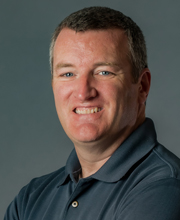 | Mike Connaughton, RCDD, CDCD Senior Product Manager, Leviton Network Solutions Mike has 30+ years of experience with fiber optic cabling and is responsible for strategic data center account support and alliances at Leviton. He has received the Aegis Excellence Award from the U.S. Navy for his work on the Fiber Optic Cable Steering Committee and was a key member of the committee that developed the SMPTE 311M standard for a hybrid fiber optic HD camera cable. He has participated in standardization activities for TIA ICEA, ANSI and IEEE. | ||