
Ground Fault Circuit Interrupters (GFCIs) are small devices with a big job: protecting you and your home from electrical shock. Whether they’re in your kitchen, bathroom, garage, or outdoor space, GFCIs constantly monitor the flow of electricity and shut off power the moment they detect a ground fault. GFCIs protect against ground faults at the outlet itself and at any outlets wired downstream on the same circuit. Ground faults are situations when electricity strays from its intended path, potentially through water or even a person. Even with modern self-testing features, GFCIs still need regular attention. Understanding why they trip and what to do next can help keep your home safe and your electrical system running smoothly.
What To Do When Your GFCI Trips: A Homeowner’s Guide
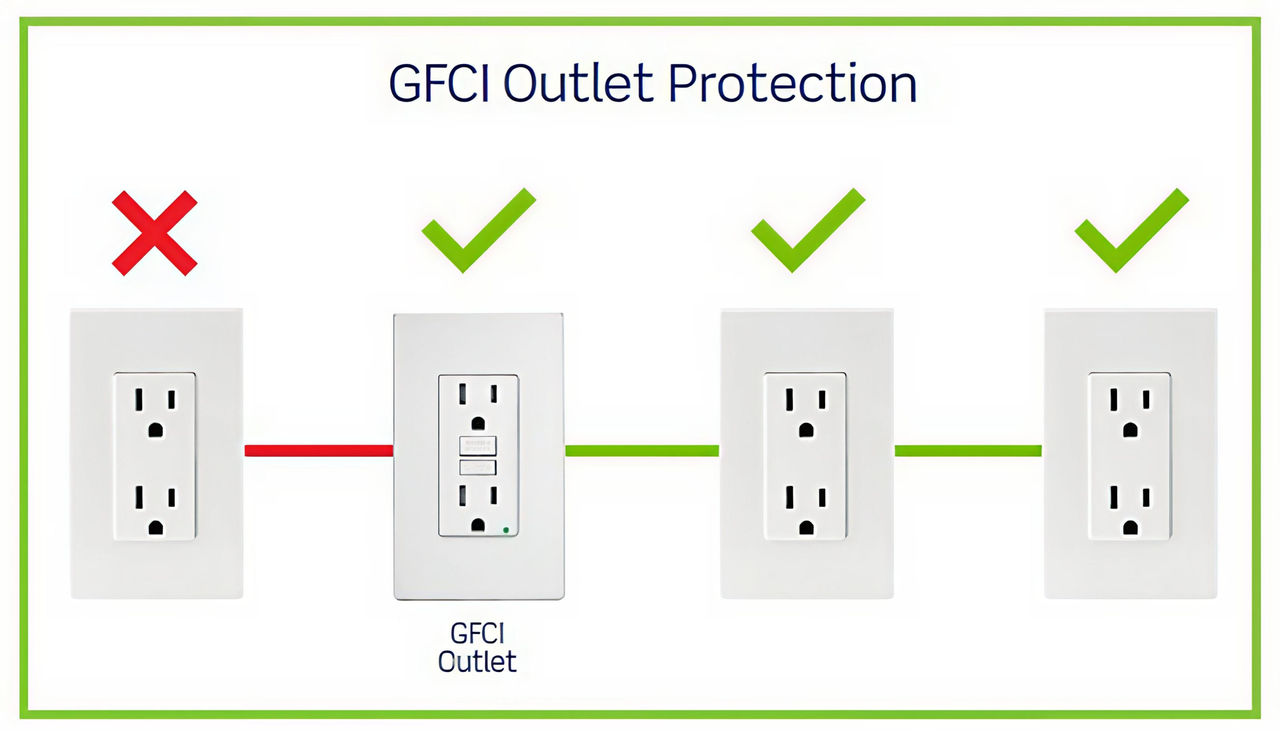
A GFCI is designed to trip when it senses electrical current leaking somewhere it shouldn’t. That is often due to moisture, damaged wiring, or faulty appliances. When it trips, it instantly cuts power to prevent shock or electrocution. Common causes include water exposure, damaged cords or appliances, overloaded circuits, and normal wear and tear on the outlet.
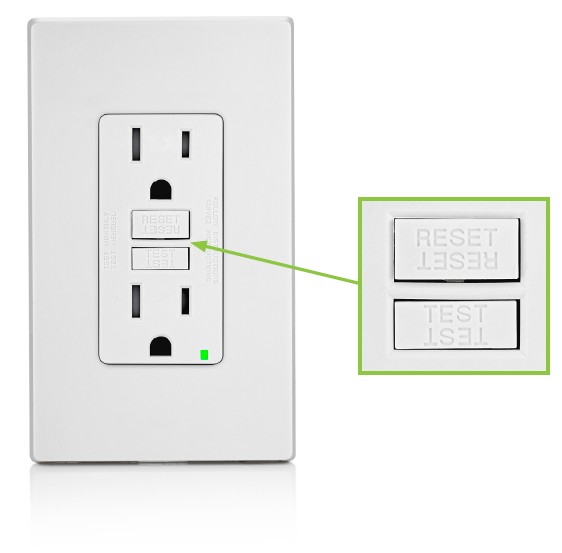
To keep your GFCIs working properly, test and inspect them monthly by pressing the TEST button to ensure power shuts off, then pressing RESET to restore it. If the outlet doesn’t respond correctly, it should be replaced. Along with testing, visually inspect the outlet for loose plug connections, discoloration, burn marks, or any warmth around the device, as these signs indicate the GFCI needs immediate replacement to maintain safety.
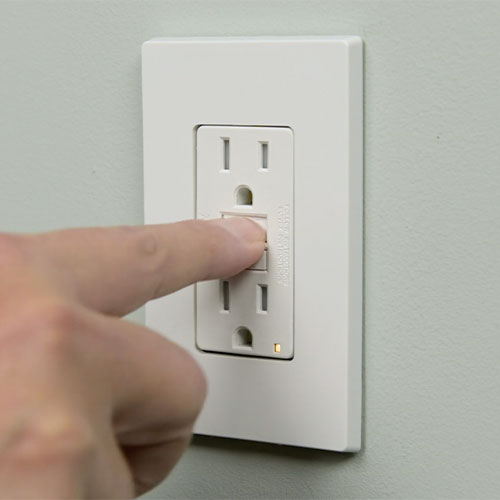
A tripped GFCI doesn’t always mean something serious, but it does mean something needs your attention. When your GFCI trips, start with a visual inspection. Look closely at the outlet to see whether it’s discolored, feels loose, or appears damaged in any way. If it does, it should be replaced immediately. After checking the outlet, inspect anything that was plugged into it at the time of the trip, including appliances, extension cords, or devices connected to outlets downstream on the same circuit. As you examine these items, look for frayed wires, cracked casings, or signs of overheating, as any of these issues could be the source of the problem.
It also helps to think about what was happening when the GFCI tripped, since this is often the key to identifying the cause. Consider whether you were using a specific appliance, plugging something in, or turning something on. If a particular device seems to trigger the trip, unplug it immediately, as it may be faulty or unsafe to use. Once you’ve checked the outlet and the connected devices, reset the GFCI and observe what happens. If it stays on, the issue may have been temporary. If it trips again right away, there may be a wiring problem or a defective device. If it trips later under similar conditions, you’ve likely found the cause.
If the GFCI continues to trip without a clear explanation or will not reset, it’s time to call a licensed electrician. Persistent tripping can indicate moisture in the wiring, a damaged circuit, or other hidden hazards. GFCIs are essential safety devices that protect you from electrical shock and keeping them in good working order ensures they can do their job when you need them most.