
Loading...

Where Do I Install GFCI Outlets?

GFCI in Bathroom

Where Do I Install GFCI Outlets for Maximum Protection?

If you've ever wondered where GFCI outlets belong in your home or why they're so important you're in the right place. Ground Fault Circuit Interrupters (GFCIs) are one of the simplest yet most powerful safety features in modern electrical systems. They're designed to protect you from electrical shock by cutting power instantly when they detect a ground fault. In other words, they act faster than you can blink when electricity tries to travel somewhere it shouldn't.

But where are GFCI outlets required? Why do they matter? How do they help keep your home safe?
What Exactly Is a GFCI Outlet?

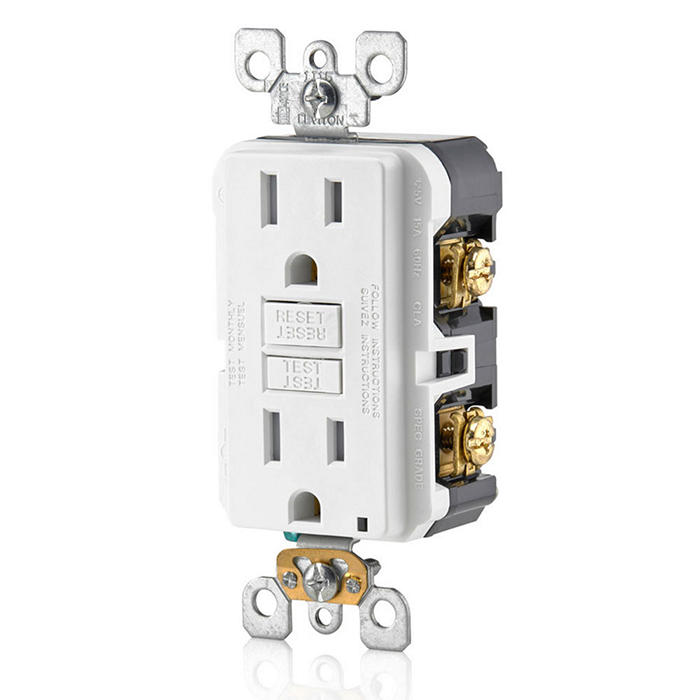
Leviton GFCI Outlet

A GFCI outlet constantly monitors the flow of electricity. If it senses even a tiny imbalance such as electricity leaking through water or a person instead of its intended path, it shuts off power immediately. This rapid response can prevent severe shocks and even save lives.

You'll recognize a GFCI outlet with its Test and Reset buttons. These buttons allow you to check that the outlet is functioning properly and restore power after a trip.

Where Are GFCI Outlets Required Indoors?

The National Electrical Code (NEC) requires that a GFCI outlet should be installed anywhere water and electricity might meet. You should ensure these areas of your home have GFCI protection: 

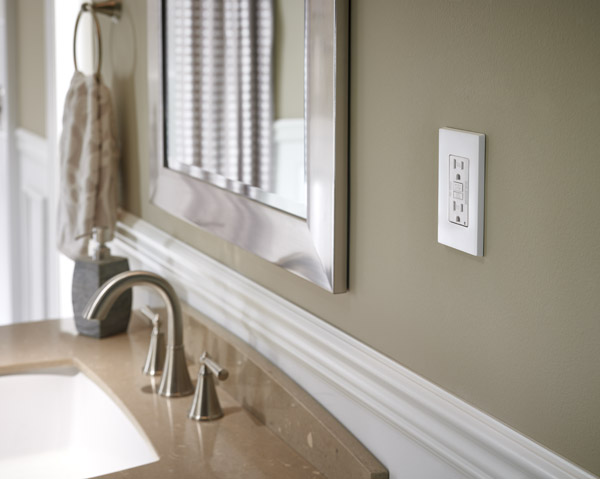
Leviton GFCI Outlet on Bathroom Wall

1. Bathrooms

Water is everywhere in a bathroom, making it one of the highest-risk areas.

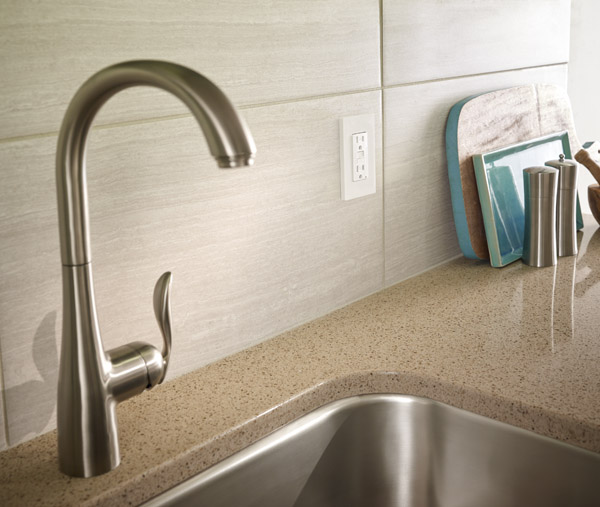
Leviton GFCI Outlet on Kitchen Wall

2. Kitchens

Countertop outlets, especially those near sinks, must have GFCI protection. This includes outlets used for appliances like toasters, blenders, and coffee makers.

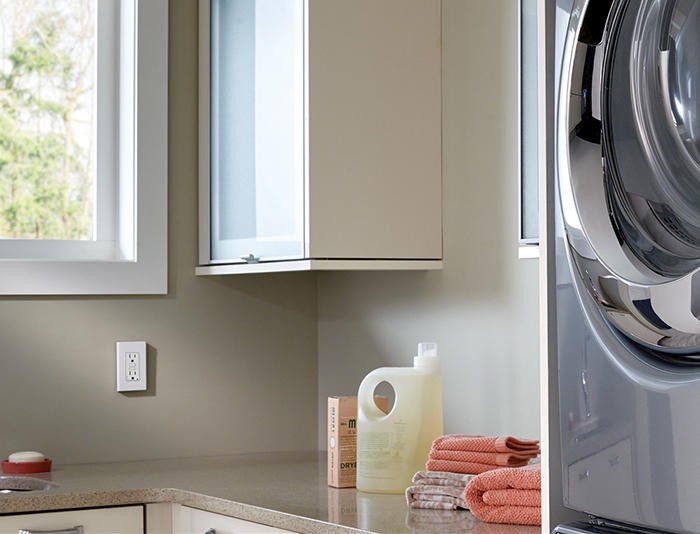
Leviton GFCI Outlet on Laundry Room Wall

3. Laundry Rooms

Washing machines and utility sinks create a damp enviornment. An outlet within this space needs GFCI protection.

Leviton GFCI on basement wall

4. Basements & Crawl Spaces

If the area is unfinished or prone to moisture, GFCIs are required.

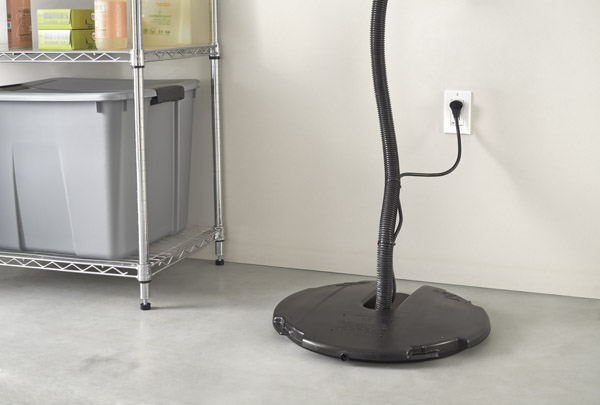
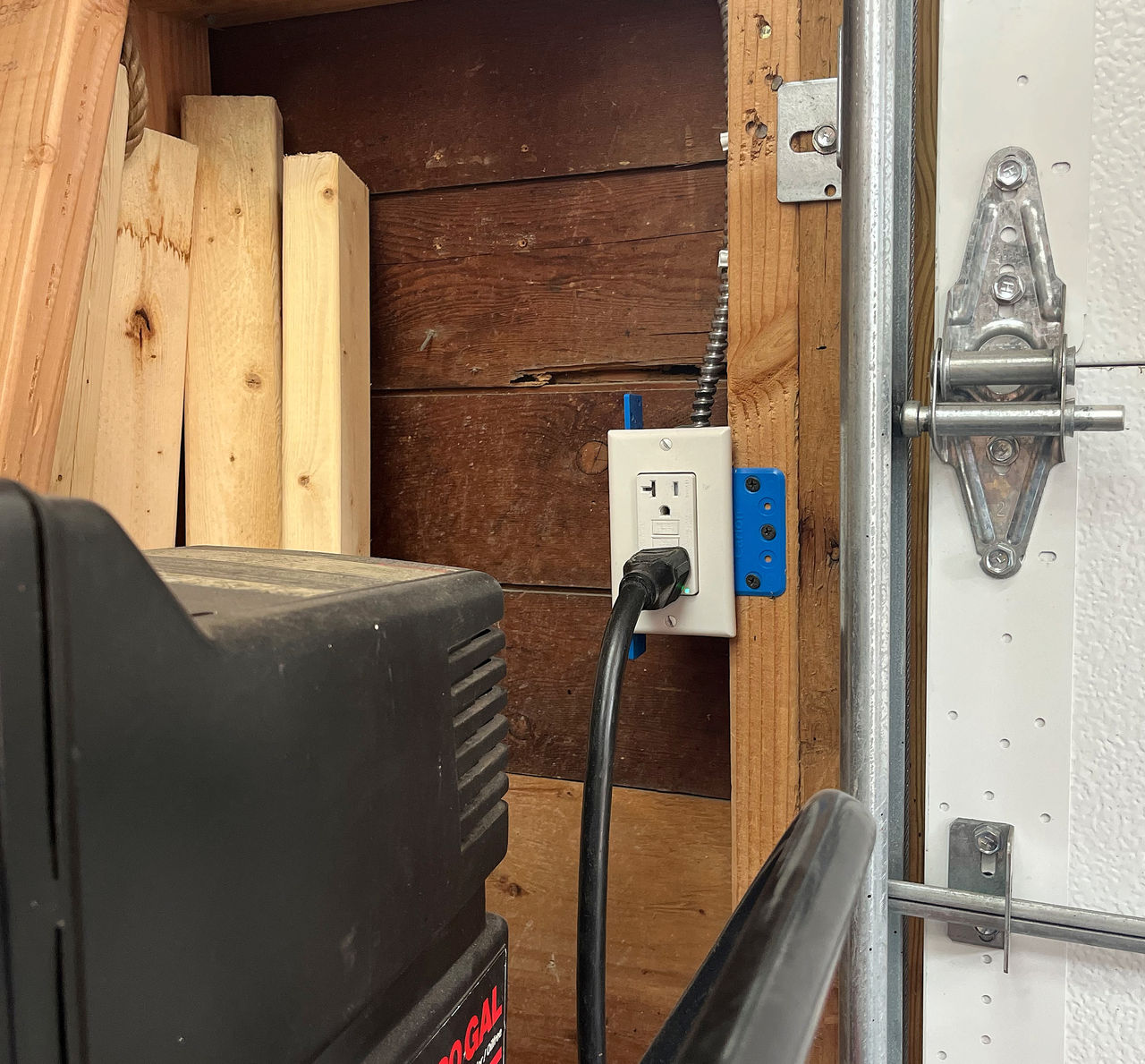
Leviton GFCI Outlet in Wall in Garage

5. Garages

A garage often deals with humidity, concrete floors, outdoor power tools, and unpredictable conditions. GFCIs help reduce the risk of shock in these rugged spaces.

Where Are GFCI Outlets Required Outdoors?

Outdoor outlets face constant exposure to weather, moisture, and unpredictable conditions. Weather-Resistant GFCI outlets need to be installed (with a while-in-use cover) in these outdoor locations:

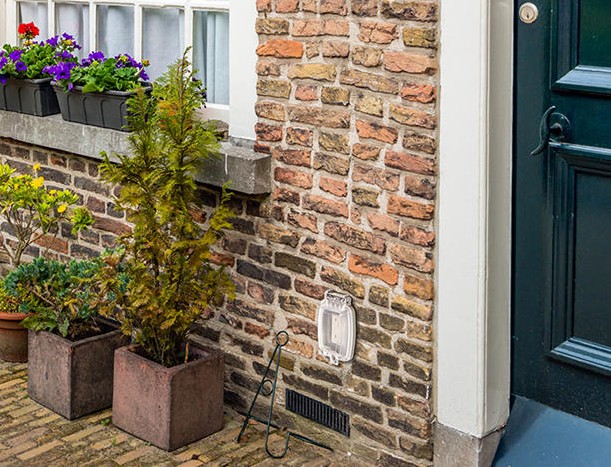
Leviton GFCI Outlet on a outside wall

1. Exterior Wall Outlets

Any outlet on the outside of your home must be GFCI-protected.

2. Decks, Patios & Porches

These areas are exposed to rain and humidity, making GFCIs essential.

3. Pool & Hot Tub Areas

Water and electricity are a dangerous combination. GFCIs are mandatory for outlets near pools, spas, and hot tubs.

How the Test & Reset Buttons Keep You Safe

GFCI outlets include two important buttons:

  • Test - Simulates a ground fault to confirm the outlet is working.
  • Reset - Restores power after a trip.

Leviton GFCIs run an internal self-test every few seconds, but it is still recommended to test them manually each month to ensure they're ready to protect you when you need them most.

Why GFCIs Are Essential for Home Safety

GFCIs dramatically reduce the risk of electrical shock, especially in wet or damp enviornments. They're a small investment that provides major protection for you, your family, and your home.

If you're unsure whether your home has the proper GFCI coverage, it's worth taking a quick walk-through or consulting with a licensed electrician.


Want to Learn More? Watch our video series on the features and benefits of GFCI outlets.