

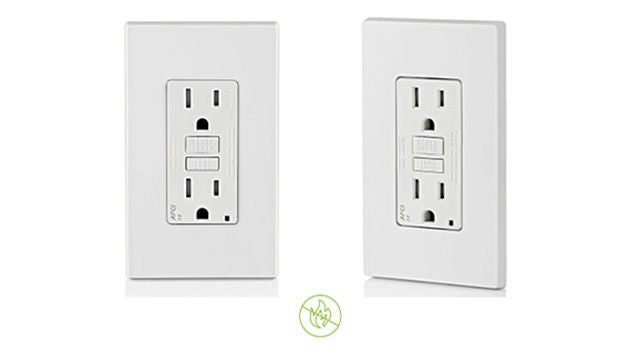
Arc-Fault Circuit Interrupter (AFCI) outlets are designed to help prevent electrical fires caused by dangerous arc-fault conditions. An arc-fault occurs when electrical current unintentionally travels outside its intended path, generating heat that can ignite surrounding materials such as insulation, wood framing, or other building components. Leviton AFCI protection continuously monitors electrical circuits and automatically interrupts power when hazardous arcing is detected. AFCI outlets are an important part of modern residential electrical safety and can help reduce the risk of fire throughout the home.
Electrical safety is essential for protecting people, property, and environments from electrical fires, shocks, and other hazards. Leviton offers a range of electrical safety solutions, including AFCI outlets, GFCI outlets, dual-function AFCI/GFCI devices, tamper-resistant receptacles, smart circuit breakers, and advanced load center technology. These innovative products help create safer homes, workplaces, and commercial facilities while supporting electrical code compliance and long-term protection.
AFCIs – Help Prevent Electrical Fires
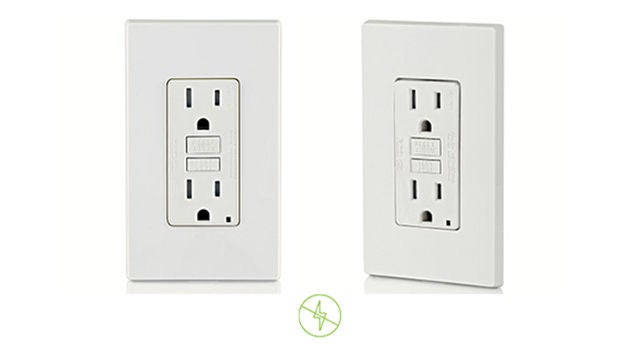
GFCIs – Help Prevent Electric Shock
Ground-Fault Circuit Interrupter (GFCI) outlets provide critical electrical shock protection by monitoring the flow of electricity to connected devices. If a ground fault is detected, the GFCI outlet quickly shuts off power in a fraction of a second. GFCI protection is especially important in areas where electricity and moisture may be present. These electrical safety devices help protect people from serious injuries caused by electrical shock. GFCI Protection for your Home
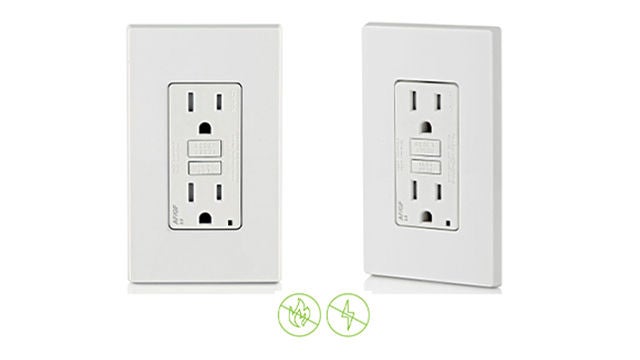
Dual Function AFCI/GFCI
Dual Function AFCI/GFCI outlets combine both arc-fault protection and ground-fault protection into a single device. Electrical prevent both electrical fires and electric shock, Dual Function devices provide enhanced home electrical safety and simplify installation by delivering two levels of protection in one smart solution. These outlets help create a safer living environment while supporting modern electrical code compliance requirements.
Tamper-Resistant
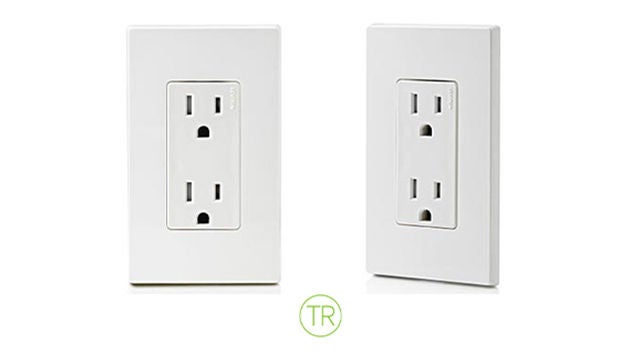
Tamper-Resistant outlets provide an extra layer of protection for children by helping prevent contact with components inside the receptacle. These outlets block access from foreign objects such as keys, paper clips, or toys from being inserted. Tamper-Resistant outlets are recommended throughout the home and are essential in bedrooms, playrooms, living spaces, childcare facilities, and other areas where children are present. Leviton’s Outlet safety Guide
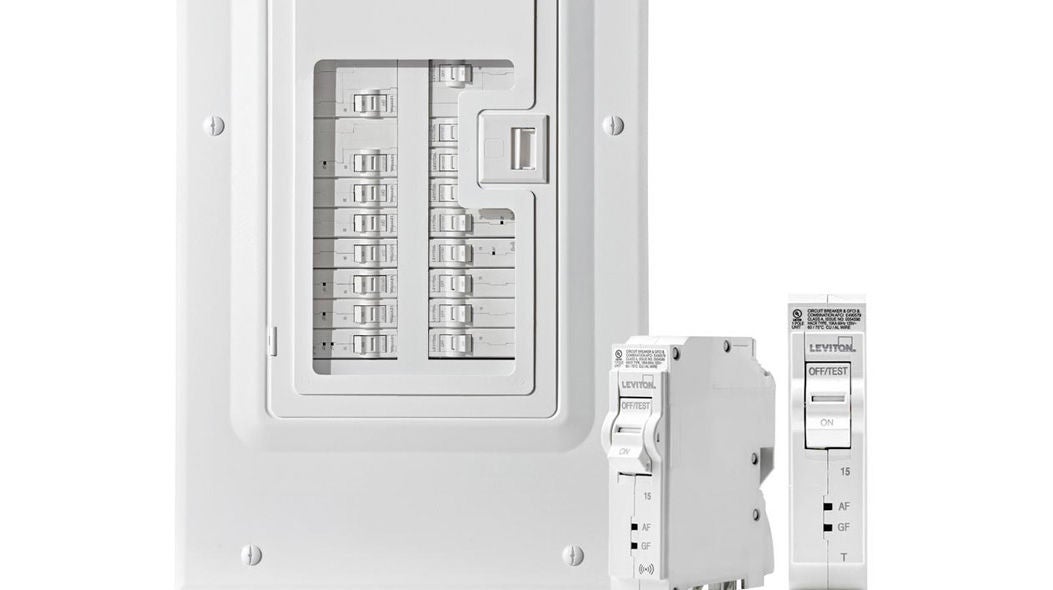
The Leviton Load Center
Leviton Branch Circuit Breakers are available in standard, GFCI, AFCI, Dual Function, and GFPE models. Built-in LED indicators provide clear breaker status, trip conditions, and fault information for faster identification and troubleshooting. Reset lockout technology helps ensure critical arc-fault and ground-fault protection remains intact before a breaker can be reset. Designed for seamless compatibility with Leviton Load Centers, these breakers deliver reliable, code-compliant overcurrent protection while enhancing safety, visibility, and overall electrical system performance.
Lever Edge
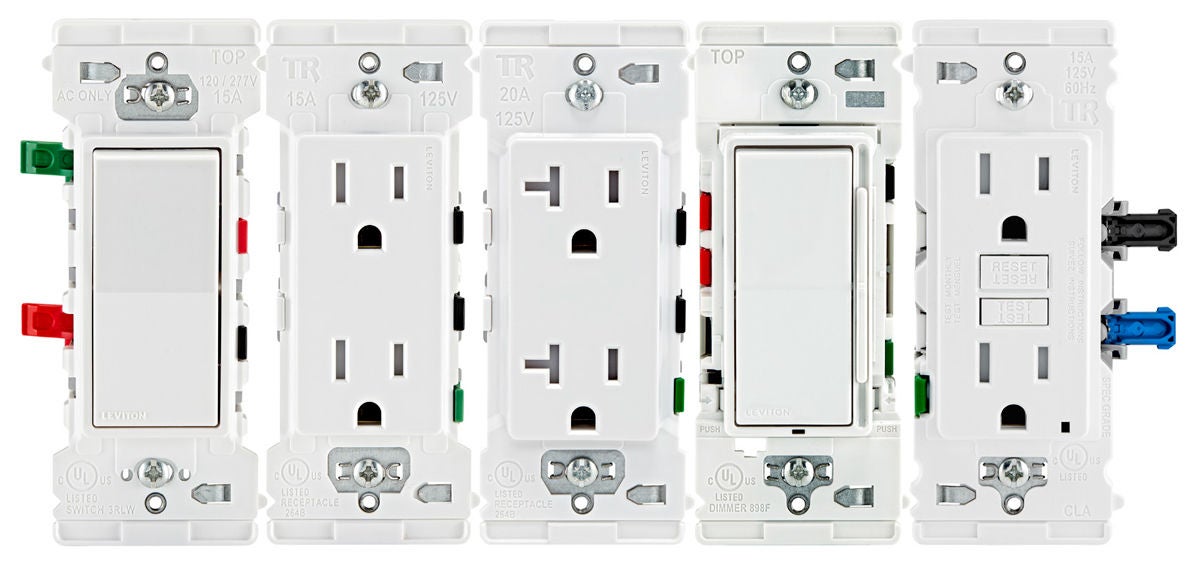
Leviton Lever Edge wiring devices are designed to improve installation safety and efficiency. With no exposed metal parts, color-coded levers for quick identification, and easier alignment in multi-gang applications, Lever Edge devices help reduce wiring errors and support safer electrical installations. The Future of Wiring
Other Safety Solutions
Safety Products



Learn more about Safety
Facts & Tips
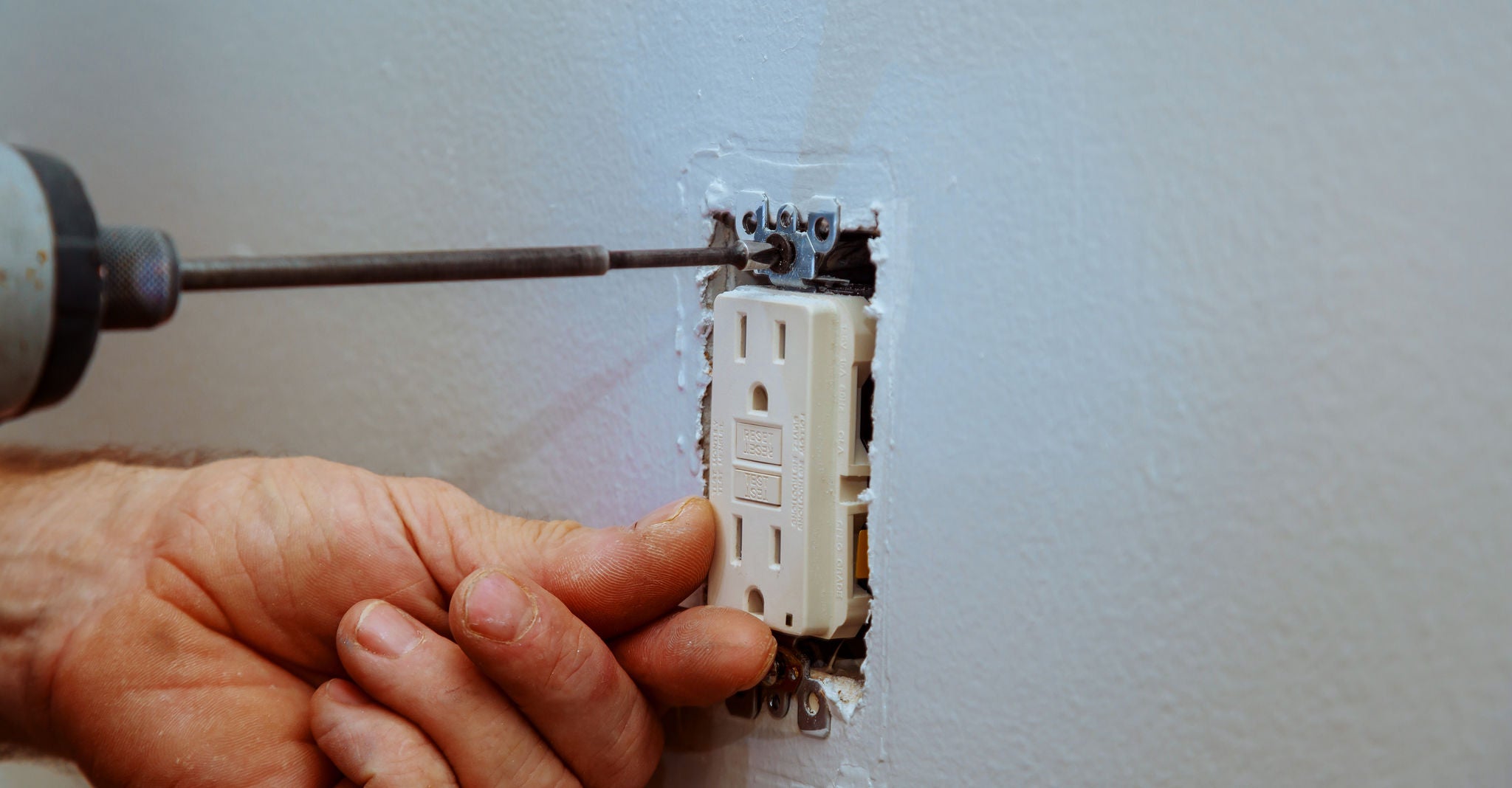
A good start is to take inventory of the outlets both inside and outside your home. If you do not have Ground Fault Circuit Interrupter (GFCI) outlets in areas that contain exposure to water or which are prone to dampness the home may not be as safe as it could be. Remember that electricity and water don't mix! Don't know if your house is equipped with GFCI outlets? They're easy to spot. They have two buttons on the face - one to test the outlet and the other to reset the protection following an interruption of power caused by a ground fault. A GFCI helps protect people by interrupting the flow of electricity when it detects a problem such as a ground fault.
"GFCI protected outlets are essential in areas such as bathrooms, kitchens, basements, laundry areas, garages and outdoors," said Bill Grande, a Leviton Manufacturing Company product expert. "In fact, the National Electric Code requires GFCIs in these areas for all new construction."
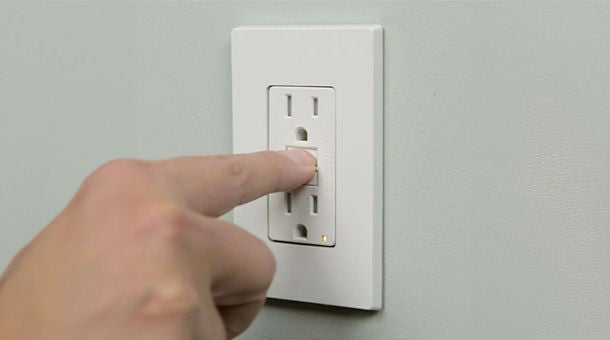
In terms of maintenance, GFCIs should be tested monthly to ensure they are in working condition. Testing your GFCI takes less than a minute when following these simple steps:
- Plug a lamp into the GFCI and turn it on. The light should now be on.
- Push the "TEST" button of the GFCI. The GFCI should "trip" and the light should go off.
- Push the "RESET" button. The light should come back on.
If the device either did not trip or reset as described the GFCI should be replaced.
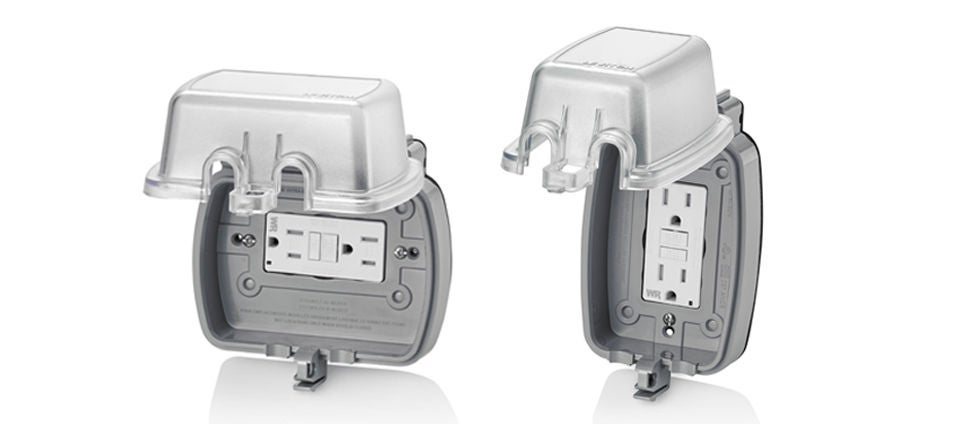
While checking the outdoor outlets, it is also a good idea to inspect any weather-resistant covers. The elements - particularly cold and snow - can potentially damage covers. Covers which appear cracked, have damaged hinges or are otherwise compromised should be replaced in order to provide maximum protection.
Electrical outlet safety is just one facet of overall home electrical safety. Homeowners should also be alert to other hazards such as overloaded outlets, frayed wires and dimming or flickering lights. According to the National Fire Protection Association, an average of 53,000 electrical home structure fires occur each year, claiming more than 450 lives, injuring more than 1,400 people, and causing more than $1.4 billion in property damage (National Fire Protection Association, 2002-2006).
Don't let your home become a statistic - practice periodic home electrical safety inspections and call in an electrician to address any problems you may uncover.
According to the EFSi, arcing faults cause more than 30,000 home fires each year in the US alone, resulting in hundreds of deaths and injuries - atop more than $750 million in property damage. The CPSC (Consumer Product Safety Commission) estimates that AFCIs could prevent more than 50% of these electrical fires each year.
According to the EFSi:
- Extension cords hidden in walls or under carpets can cause them to overheat, possibly leading to a dangerous arc-fault
- The most common AFCIs are advanced circuit breakers that replace the standard breakers in a home's electrical service panel
- The National Electrical Code® currently requires that AFCIs be installed in bedrooms and living areas of all newly constructed homes
- Standard circuit breakers can easily be upgraded to AFCIs
- AFCIs need to be tested monthly to ensure their efficacy
The EFSi also cites that approximately 2,400 children suffer from shocks and/or burns from sticking foreign objects into outlets - that's nearly 7 a day in the US alone. It's estimated that there are 6 to 12 fatalities a year related to this. Tamper-Resistant Receptacles (TRRs) look ordinary from the outside, but inside they contain spring-loaded cover plates designed to close off the receptacle openings, or slots, when anything other than a standard plug is inserted. When a standard plug is inserted, equal pressure is simultaneously applied to both sides, and the receptacle's cover plates open to allow the plug to make proper connection with the receptacle. Tamper-Resistant Receptacles have been required in hospital pediatric care facilities for more than 20 years, according to the EFSi. They've been proven so effective that the National Electrical Code now requires them to be installed in all newly built homes.
TRRs cost roughly 50¢ more than a traditional receptacle. In homes being newly constructed, TRRs would add as little as $50 to the total cost of the home. In existing homes, standard electrical outlets can be replaced with TRRs for as little as $2 an outlet – a very small price to pay for a safer living space.
A U.S. CPSC's study, cited by the EFSi, has concluded that there are nearly 400 electrocutions in the U.S. each year. Roughly 15% of these are related to consumer products, and about 8% involve power drills, saws, sanders, hedge trimmers, and other electric power tools. Additionally, 9% of product-related electrocutions each year are caused by accidents involving lawn or garden equipment and ladders, which come into contact with overhead power lines. Electrical conductors do not always have to be touching an electrical source to receive its current; currents can jump to the nearest conductor from up to 10 feet away.
Here are some power tool safety tips outlined by the EFSi:
- Use GFCIs with every power tool to help protect against electrical shock
- Do not use power tools with an extension cord exceeding 100 feet in length
- Never use power tools near live electrical wires or water pipes
- Use extreme caution when cutting or drilling into walls where electrical wires or water pipes could be accidentally touched/penetrated
- If a power tool trips a safety device (ie. GFCI, AFCI) while in use, take the tool to a manufacturer-authorized repair center for service
- When working with electricity, use tools that have insulated grips.
- Wear all appropriate personal protective gear when using power tools
- Do not use power tools without proper guards
- When using a wet-dry vacuum cleaner or pressure washer, follow all of the manufacturer's instructions to avoid electric shock
Leviton Answer Series: Preventing Electrical Shock
Learn how to keep your family safe from electrical shock with Leviton GFCIs.
Leviton Answer Series: Explaining Fire and Shock Protection
Leviton provides best-in-class electrical protection against fire and shock. Learn the difference between each of these life-saving technologies.
AFCI Protection from Leviton
Often unseen, arc-faults can occur anywhere in the home's electrical system including within walls, at loose electrical connections or within electrical cords accidentally damaged by impinging furniture.
Resources


How Can We Help?
Do you have questions about Home Electrical Safety?